
Naviating through Healthcare Systems with Michelle, Doose, PhD
With Special Guest Michelle Doose PhD
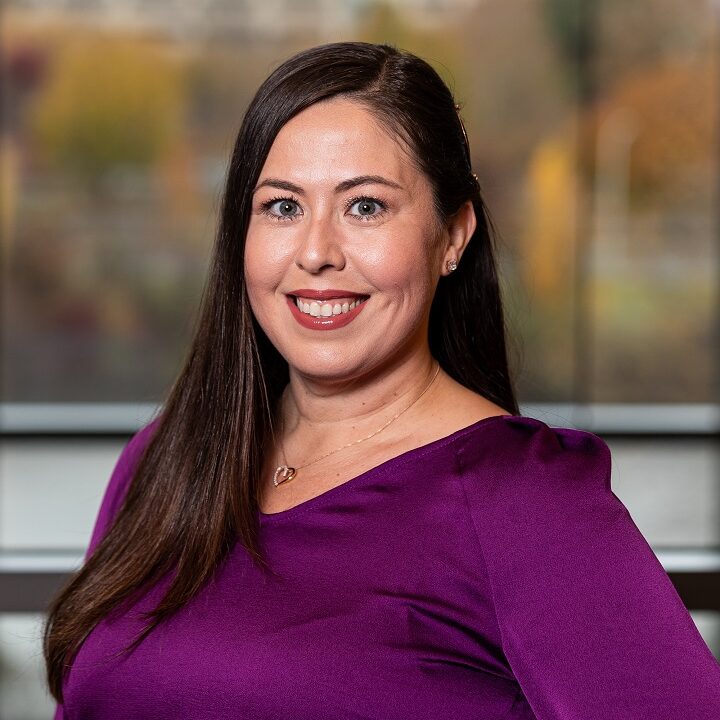
Dr. Doose shares a published opinion education piece on navigating through healthcare systems and speaks to the needed improvements for cancer care, holding organizations accountable and transfer of care issues. She highlights challenges of minority populations, importance of survivorship programs and calls for cancer survivors to participate in research.
Listen to the Podcast on Spotify
Links from the Episode
Interview with Michelle Doose PhD, MPH
Episode 008 Transcript
Colin:
Join me in the conversation today we have Dr Michelle Dos who has a ph d in epidemiology from the rutgers school of public health and describes herself as a scholar advocate working towards health equity through Medicare coordination for cancer survivors. She brings her lived experience being a childhood cancer survivor and her professional experiences having worked as a bilingual health educator helping adolescent and young adult cancer survivors navigate health wellness and health insurance after a cancer diagnosis. Yeah, as as a research researcher. She's had her research funded by the national cancer institute and Robert Wood Johnson Foundation and she's studied how healthcare systems and teams work together to coordinate care and how health care systems make it possible for. Care teams to really have that continuity of care so I wanted to just at this time. Welcome Michelle to the podcast and thank you for your time.
01:07.89
Michelle Doose
So no, thank you I'm quite excited to speak with you to today.
01:12.33
Colin
I Wanted to perhaps start the conversation by just asking what has motivated you to pursue Pursue your your career path.
01:23.20
Michelle Doose
Ah, wow that started back in 2007 I was actually sitting in a research meeting. Um I was working on my master's in public health and they're going to come talk about cancer survivorship and then we had this presenter come and speak. About the long-term effects that childhood cancer survivors can experience and in fact, that for many cancer survivors childhood cancer survivors. They can have health effects immediatelyly during cancer treatment or they may come up come up ten twenty years later and I kind of sat there in this meeting and I was like hm. Doctors have ever told me this um and I actually had just moved my primary care doctor to a different doctor because I you know going off to college and they didn't know how to follow me and and what could be be these health problems and so from that moment on I decided that this is an area. Area of research that I wanted to make a difference in and really making sure that not only camp survivors know how to take care of themselves and how to advocate for their health but thinking to you know how can clinicians and healthcare professionals know how best to take care of cancer survivors because it's not just it's not. Only cancer survivors not knowing. It's also clinicians not being aware that there are health problems that can come up many years later so that really um, struck me back in ah 2007 and really launched my career to to really advocate for cancer survivor.
02:55.75
Dustin
Wow. Um, Dr Michelle dose um you you also published an opinion education piece in scientific american on coordinated care for Kansas survivors. Ah, can you tell us more.
03:12.30
Michelle Doose
Definitely So I was working on my Ph D in epidemiology and I was taking I was part of this the Robertwood Johnson Foundation Health policy research scholar program and is really trying to really help. Doctoral students who are underserved backgrounds learn how to translate through research to really impact policy and so for me, you know I can run these analysis and regression and look at you know what are the health outcomes or process of care for cancer patients. But for me I was really passionate about is you know how can cancer survivors get their best care and what is the health system and their doctors doing for them and so it started off as a. And exercise in a class like how do you translate? the research you're doing in a way that everyone can understand um and really getting it out there that you know what does it mean to be a campus Survivor. You know you when you move around for place to place who has your medical records. You know. Do you have it does your new Healthcare provider have your medical records. Are they asking the right questions you know what is health it doing you think about you know all the apps I know it's from my myself I have my medical records on 3 different apps from. Different doctors that I'm currently seeing but that doesn't include my medical records from the past and a lot of times Healthcare systems. They don't keep your records Forever. So How do you make sure that you're meteing all the information that you need to get so I got to do this really cool. Um exercise Of. You know, writing this up. Um, and you know I had a colleague that advocated for me to be like no, you should really publish this work talking about the needs of of care coordination for cancer survivors and so not only did I did like. You know research and I published talking about that cancer survivors and this is for breast cancer survivors having better management of their other health conditions when they have a team that takes care of them. But I got to write this up as kind of like an opt Ed and so for me, it's something I always look back to kind of. To remind me and guide the the research that I'm doing now of you know how do we continue to advance the science of care coordination and and think about ways that the health systems can innovate to really coordinate care for cancer survivors.
05:38.50
Dustin
That's really interesting. Um and actually really fascinating I Never even really thought if you had if you switched over health insurances. Um, and maybe they might not have your most current or if it's really far back. They might not have your. Your yeah history which might be really pertinent in your care moving forward.
05:59.50
Michelle Doose
And no definitely and as someone who's moved around a lot for school. Um, you know I I requested all my medical records from when I was a child and my treatment back in my early 20 s and. None they wanted to charge me for all my medical records and I was like well I actually just want a onepage summary which are called survivorship care plan treatment Summary I Just want to know what kind of Chemo. What's the dosage. What are the surgeries I had um, that's it I don't really need all my records. But in fact, no one had made a summary. So Luckily the person who I request in the medical records was kind and gave me this. Its huge stack for free. So then I was able to go through it myself and kind of be like okay so I've received Vinechristine and cyclopossumide and even though I couldn't get the total dosage because it wasn't. Documented in my record at least I have an idea of what are the different treatments I've seen but even now like when I find a new primary when I found a new primary care Here. You know you know you check off on the cancer I had a history of cancer. They don't ask. Oh well, what kind of chemo or what did you receive radiation or they're just like oh so is everything okay and I'm like I don't know how to answer that question I Guess yeah, I'm fine. But what I really would like you to ask? is you know? do you have a treatment summary is there anything that I should be monitoring long term or. What are actually the chemotherapy you receive and the total dosage so you know based on the care guidelines. There might be something that we need to follow more closely. Um, yeah, So yeah. To learn that from personal experience but I know this is unfortunately true for many cancer survivors.
07:46.82
Colin
So Oh yeah, I think I was just going to jump in I mean I recently um, just had moved and switched dentists and even just ah with you know, specialty Care. There's that long list of. You know treatment ah surgeries or histories that are needed to be added to just the a quick questionnaire to then get the to know the patient and. And I've had that same experience where you know Clinician Clinicians have just specifically gone like oh so I see you've got this history. Are you good like that's the really The only question they want to ask is like well are you still an active treatment. Does this? ah affect you currently.
08:41.86
Michelle Doose
Yeah I love that. Are you good. It's like sure I never know what to answer with that I'm like yeah I'm good I'm not in active treatment or they're like are you seeing an oncologist and I'm like but who because I've gone to adult oncology and they're like we don't know why you're here. We don't treat pediatric cancer survivors. And peeds um depending on your health when the health system I was in when I turn None they're like goodbye you're handing off to adult oncology. You cannot be seen here. Other centers may you know keep you up until your None but um. Yeah, it's like where do you go next? And yeah, just asking. Are you good I'm like okay sure yeah I'm good and I'm ah I'm here.
09:29.95
Dustin
Yeah, it makes me wonder what? what? what? they would say if you said you weren't good.
09:34.51
Michelle Doose
And yeah, and I think that's more It's like okay, do you want to go to adult oncology and again just giving my experience. You know I seen the two adult oncologists that they don't know how to follow at least you know childhood cancer survivors or there. Ah you know for me. Were like well we don't know how best you know have back issues. Um, you know there's something in your back. It's not Growing. We don't know what to really do So Maybe just do an mri every two years but that's not really based on the science and you know luckily I have health insurance to Cover Mri. But if I didn't That's pretty. You know it' it can be very pricey. Um and I know some years The copay has been like $400 for the so you know you're yeah so you're kind of like okay we're um, doing what they think might be best but you know I Always wonder do they consult with their colleagues and petes to ask.
10:20.66
Dustin
Oh yeah, super expensive.
10:33.73
Michelle Doose
Not um and the good thing I mean there are survivorship clinics throughout the Us and so those were always an option too. Um, you know they usually have big academic centers and so it depends on your insurance and having access but sometimes. There might be a good place to start to even just get a treatment summary Cybership Carelan or just know like is there anything special I should be looking and you know being followed long term from my health.
11:04.14
Dustin
I'm I'm actually really curious. How did you hear about survivorship programs.
11:06.44
Michelle Doose
And so I started off. Um you know when I was doing that research program and learned about survivship care I actually reached out to a pediatric oncologist and um, started off as a volunteer um to work with their childhood and teen young adult cancer survivors. Um, and then when I finished my master's in public health I was hired as a research coordinator slash health educator and so that's really where I learned about survivorship survivorship care survivive care plan because. Was working on my master's in public health at the right place the right time. Um, and then was able to work for almost five years ah talking with young adult cancer survivors of you know. How do you advocate for your health What do you do when you turn None to 21 you lose your health insurance and this is before the Aca the affordable care act when you know I know I remember for myself. It's like if you were in school full time on my parents insurance. You didn't get you know your cut off health insurance. Um, and sometimes you know that meant at least for me kind of take a year off to travel the world not that I couldn't afford it but I just you know had to make sure I always had health insurance so working with young adults to be like okay, what are different ways or what companies can you work for to make sure you can get health insurance back in those times. So. Yeah that's how I got started and learning about what survivor care plans are um and I know there's some online and there's also the chin's oncology group so they have a lot of resources for childhood cancer survivors so you can create your own survivor through care plan or work with your doctor. Great resources to you know what are what are ways that you know you take care your health.
12:57.98
colin
Michelle you had mentioned that you have several different apps that you use just to then manage and um, perhaps communicate your your personal health care. But I'm wondering you know what can be done. Within a healthcare system to do better for cancer patients or perhaps what can a healthcare system do to be held accountable.
13:25.75
Michelle Doose
You know that's a great question and I think you know right now from like a health policy perspective. There's are these new care delivery models or payment models that are looking at the accountable care organizations or how um you know. Different clinics are being paid based on health outcomes. But I think a lot of it's really focused on cost cost of care for um payers so thinking about medicare medicaid health insurance and not thinking about cost of care from the patient perspective and really you know even though they've looked at. Kind of quality of care. They haven't it's more like how can we just reduce costs so yeah focus more on cost this is where I think for me and where I got excited for research is you know how can one you know the health system coordinate care better for cancer patients and survivors. And then how do you hold them? accountable. You know how do you make sure that records are being and shared or if I go from one house isn't to another. You know why is it so hard that the house records may not be able to be shared sometimes even within the same health system they use None or 3 different. Health records. So if you're you know on the outpatient side senior primary care doctor. But you have to go to the er and they can't talk to each other. They may miss important information and then it's the burdens on you as the patient to be to be able to communicate your current health status. Um, so thinking about you know the role of Health I T thinking to you know when you think about your care team a lot of times. Maybe the clinician you see may not see themselves as part of a care team. They're not going to be like well you know you may see four different doc doctors. But you know i'm. Cared about you know they're thinking they don't think of themselves as part of a care team. But I do like my four doctors. They're my care team. Um, but how you know who's the leader who's in charge and making the ultimate decision. Do they actually talk to each other you know a lot of times. There's gray areas. We don't know what the best avenue are best way to. Maybe deal with a b or c I would want my care team to have that discussion or you know thinking about like tumor boards where they can come together and discuss. We know? what's the best care available so you know thinking about what are. Ways that they can facilitate that communication collaboration. So you feel like you're getting the best care that one treatment is not having unattended consequences due to another treatment. Um, so I wish I had a better answer of like how best to hold health systems.
16:10.80
Michelle Doose
Accountable I think you know payment models are trying to get at that. So I think you know we'll see what comes on the horizon. But I think that's what's really hard even as a patient. Um you know I always say the Burden falls on you to make sure. You're talking to your your care team and you're getting the care that you need and you fall up on your appointment even when it's you know it's hard to schedule everything.
16:43.54
Dustin
Um, yeah I definitely can relate to what you're saying there between doctors. Do they ever talk to each other. Um it almost made me think that I wish there was like a person that kind of took all of what the doctor different doctors said and kind of brought it together for the. Patient or just even to present like here's all the facts from all the team. Um, in like some kind of like objective way. Um, so that the patient could just like kind of like think because like None doctor might say the opposite to to what another doctor says. And the patient's kind of like what what treatment should I do next or like what's the next step.
17:25.26
Michelle Doose
And no I mean that's definitely you know, happened to me or this disagreement and you just want. You know you really want that clarity. You want you want all the experts in the room to to answer those questions and they come up with the best you know best care plan. Um. And it's hard like you know you totally get it. You know you have those 15 minute appointment slots and clinicians and the care team members. You know have a lot going on in clinic. But how can we optimize care delivery care coordination and the health system you know, especially you know when we think about all the technology we have today. I don't have the answer but you know I think pressing these questions as cancer survivors. You know we think about health policy pushing systems to be more to be held accountable to but make things more efficient and easier for patients I think.
18:02.27
Dustin
He yeah.
18:19.55
Dustin
Yeah, and you also mentioned like when you get when you transfer to ah you know transfer of care how there can be an issue with medical records I was.
18:20.71
Michelle Doose
Um, someone restart.
18:33.59
Dustin
I'm curious. Do you have any suggestions for like navigating a transfer of care.
18:39.56
Michelle Doose
That's a great question. You know can always ask for a summary you know, can you summarize in a letter kind of you know your role kind of a medical history. What have we done so that when you go to the new Clinician you're not.
18:43.42
Dustin
E.
18:55.14
Michelle Doose
Duplicating services and efforts because then a lot of times that's extra cost copays that you have to pay as a patient. Um, so just asking X you know I think definitely getting a copy of your medical records. But sometimes you know your new doctor may not. Look at all those records. So just asking your new Clinician Hey. Can you just summarize kind of history care Plan. What was done what worked but didn't work so that when you go to the new provider. You know Clinician You can have those discussions of you know this is where we're at and this is what worked and didn't work. I think that always helps so you don't have to duplicate services and I know for me like I've set up a doctor's appointments and usually my None visits like I'm just here to tell you my medical history and then we can meet again at the next appointment to do you know care, you know or a checkup. Um.
19:49.18
Dustin
E.
19:51.10
Michelle Doose
Because that 15 minute visit slot that you have I'm like I really need to just tell you and here are my records and go over everything so that you know that might be 1 avenue to help.
20:01.70
Dustin
Yeah,, that's yeah, that's really helpful. They're just like the the summary um, having that ready because I you know when I was doing my cancer treatment. It was like actually ah the transition between. When electronic medical records became available like they were just starting to do that and even even with every doctor that I saw having just access to these records most of them just would ask me the same questions and then you know and going through Chemo and. You know and or even just the diagnosis process. It can be very exhausting from a patient perspective to be asked the same questions over and over. So I think that having that like paper summary would take a lot of the stress off because you're not. You know you've you've already done this before you're like oh let me just read this paper.
20:44.41
Michelle Doose
O.
20:54.61
Dustin
Like even like the dosage or the different chemo drugs I think the average person like doesn't know they're just like oh you know, right? You're the doctor sorry I actually don't have that here I mean I guess we could try to get a release of information from your last doctor. But yeah, it could be just really exhausting.
21:09.52
Michelle Doose
So yeah I mean I'd say advice I used to give working with our 20 young adult cancer survivor. It's like sometimes it' exhausting as a patient to repeat your medical history like I don't want to talk about what happened to me when I was two when I'm worried about stuff about today. But then there could be stuff that I'm dealing with today that actually goes back to.
21:23.57
Dustin
He.
21:28.70
Michelle Doose
You know the treatment I received a long time ago. So just having that like that summary so that you you know you can tell a doctor look I'm tired of talking about it here. It is here's all the surgeries or treatment I received and the dates. Let's start with that and then you can ask more question but like like you said it can get exhausting. You know to be asked those questions over and over again. Um, and just you know having that one page or a None pager just to help summarize it. Um I feel like that mental task on you as a patient you know it helps because I know even for myself. It's like oh I know they're going to ask about my cancer history. What is this going to mean what do we have to talk about and. Um, sometimes you want to avoid it I know sometimes with new doctors I've kind of just avoided the conversation because like I don't want to go there but I gotta remind myself. Nope we got to you know they didn't know my whole history and that could help.
22:27.20
Dustin
Calling you're up.
22:32.18
colin
I had unmuted myself or thought I had unmuted myself there. Um I was just going to say that I think you bring up ah an important piece that you know oftentimes a doctor has a limited window to then have that. Um, appointment and visit completed and so like what amount of time needs to be spent on you going over your history to then get a sense of what is the best course of action of care in the moment. And sometimes it might be pertinent so other times it might not necessarily like you said be worth mentioning or even avoiding and kind of having that be like ah some mental gymnastics in a way to then. Decide on what is shared and what is not well Michelle I wanted to ask about Um, maybe some accommodations for services. Ah. For myities I know that you have worked as a bilingual health educator specifically working with cancer survivors. You know, adolescent and young adult cancer survivors to navigate the system. So I'm curious if you could just speak to that for a moment.
24:01.60
Michelle Doose
And yeah, definitely I think you know for me I've been very passionate. You know, scholar advocate on undressing health disparities. Um, a lot of times you know we have research and I've done the research you know, saying for minorities and this can include racial ethnic minority. Black hispanic individuals or being you know, um, cancer patients live in a rural areas or so you know maybe not having the economical means to pay for health insurance. Um, you know, thinking about. Different groups that you know may need extra services or care or you know the services or assistance to interact with the health care system. Um, you know a lot of times and that so that's really you know, got me excited to do the work that I do is to think okay, we know that. Beyond the patient but how can the health care team and health system really work to optimize the care for patients and that may mean for you know, rural patients that you know have to drive two four hours to the ecology clinic or a primary care doctor. You know what is the role of telemedicine I know for when I worked as a funding well health educator. You know sometimes is how do you get health insurance health insurance. Um, when you know there might be issues. Um. With your immigration status and so what type of you know insurance is available for you or if you don't have the economical means you are working but you can't work full time. You know how is it to sign up for for medicaid or perhaps other insurance that the state might offer and a lot of times you know. Individuals may be working None or 3 jobs and they can't take off the time to go see a doctor or wait in the clinic for several hours because we know sometimes things happen get backed up. You're not going to go in for 15 minutes you you're like your okay gonna be 2 maybe 3 hours of my time to get there. Way to be seen to do all the labs and you know thinking about the social needs of individuals that you know it takes a lot to get there the transportation the time off and perhaps you know the child care services that you need and so for me, it's really thinking about the health system or. Not blaming patients for not getting the best care like I never like the word like nonadherent you know patients are just not inherent with their care or doing what they need to do and a lot of times people are trying to juggle a lot their health the work their family their friends and sometimes the worst thing going on life.
26:47.46
Michelle Doose
Going on in someone's life is not their health care. It's making sure there's food on the table and so if we really want to meet patients where they're at how do we make sure their their social care needs are met so that they can focus on their hell. Um, and I wish you know had answers for these. But I think you know there's these new innovations and research being done to. Understand and come up with different ways that you know we can meet the needs of patients so that they're getting the information that they need and in the way that they understand they can get services the role of telemedicine so you don't have to drive. You know I find it convenient that if I can just jump on a video chat for my doctor for a specific health issue. Um I don't have to take time and drive and sit in the clinic. Um, for minor things in between you know, maybe my yearly physical so you know thinking about this innovation to different strategies that would work for different patient population based on their needs.
27:43.35
colin
Ah, yeah, I'm a big fan of Teleheth just in my my field I Really do feel it. It helps with that access to care and um you aid up within my health care System. We have that opportunity to. Then include an interpreter if needed through Chillheth. So I think it's just sort of streamlining that process and I think that is an example of perhaps a way to have that accommodation and services. For those who are a marginalized or a minority group or just need to have those um communication ah bridges built and and and ah. Yeah, I'm just wondering if you could speak a little bit to the the cancer research that you had mentioned earlier just the having the that participation.
28:50.89
Michelle Doose
Yeah, no I I'm a um like again I call myself a scholar advocate. But I think you know we need cancer survivors or individuals the history of cancer to to be involved with research to and not to be just participants but to actually you know. Say hey we need. You know we need. We need to understand these health effects. We need better care coordinattion or we need like a better app like you to the telemedicine and having the interpreter we need those services and what's the best way to optimize care delivery and I'm a big. Proponent for you know Community engaged research or thinking about community as community of cancer survivors working with researchers to come up with the research question to identify what are the needs. The gaps, the opportunities. How can we work together to address the the care needs of. Can't survivors but also make sure if we come up with something that is sustainable. A lot of times I see in research is great ideas and that we show that it works as effective. They do a randomized control trial you know thinking like patient navigation or so forth and. A lot of times those programs are sustainable. It's the first program to get cut even though you know there's cost upfront but the cost savings is huge. So I think working with communities of you know organizations that serve cancer survivors but also cancer survivors themselves to make sure that we. Show that interventions or programs work. The research that we're able to um, scale it up and and make sure it's sustainable long term and so I Also you know my favorite part. We really get me excited to do research is actually when I engage with other cancer survivors. So There are. You know, different conferences that cancer survivors can get trained and being a patient advocate but also engage with research researchers and I think I always say hold us accountable. Are we asking the right research question. Um, So there's Opportunities. You know when you're thinking about different. Um. Research conferences out there definitely look to see if there's opportunities to get involved to get trained as a patient advocate and then to to get involved as a patient advocate and different research and even the national cancer Institute has an office for patient advocacy. So There's opportunities I think to serve on these. These boards a community advisory board and give your perspective and feedback. So I I think you know we need to be involved and and be involved in research making sure the right questions are being asked making sure that we're inclusive of everyone on who are we living.
31:35.18
Michelle Doose
Behind for different cancer Survivor population.
31:47.70
colin
Well dust and I'm curious if you have any additional questions you wanted to ask? um Michelle before we wrap up here.
31:57.66
Dustin
Um, well I was just thinking about I don't know I don't think I have any other questions I think I guess I was gonna I. The only thing I can think about is just like the sum up of kind of like.
32:07.88
Michelle Doose
Pass.
32:17.14
Dustin
Some of the takehomes of today's um episode would be you know going when going to a healthcare provider making sure you kind of have a summary from your previous doctor and like requesting that summary. Um at at the end of your care as you know that you're going to another place. And then also you mentioned cancer survivorship programs and I'm curious if there's if you have any like advice for somebody who's like maybe a recent survivor on like what is it just like Google survivorship programs or is there an actual like department at their healthcare system that can like let them know like.
32:53.85
Michelle Doose
Yeah I think that's something you know cancer survivors can speak with their oncologists that they have a cancer survivorship program already within their health systems I Always think like you know we should be talking about cancer survivorship. You know when you're thinking about cancer treatment.
32:55.60
Dustin
Programs.
33:12.50
Michelle Doose
Because you want to know upfront. Okay, what are the long-term effects that could come up. Um based on the treatment you're going to receive so I think survivorship is something that it should be early on discussion. So yeah, definitely check to see if your health system already has a cancer survivorship program. If not definitely You can go online and Google cant survivorship program and in your city and there there are you know there are many out there and a lot of times they'll take the role of requesting your medical history. All your medical records from where you got care and then they'll. And summarize it and and give you a plan of you know in the next five years or 10 years you want to watch out for ab and c in 20 years you know you want to do this regular checkup. So I think it it helps having that that plan in place. So yeah, definitely you can look online. Um. But different cancer virus or program. Ask your own colleges where they go and yeah, that's a good place to start.
34:12.33
Dustin
Okay, yeah I Definitely from this discussion. It definitely made me think of like a lot of potential solutions to some of the problems that we face um with our current Healthcare system. But I'm guessing. There are probably a None different solutions but just really about cost and like what's puts feasible based on our current system. Um.
34:35.64
Michelle Doose
And yeah, and and thinking about that and that you know as an individual you know the cost and cost of care keeps going up and your copay and you know and staying healthy like outside of health care like paying for that gym membership or that. Personal training because you know you need to stay healthy um or eating healthy. You know that call sucks for money to be to be as healthy as you can be outside of you know your co-pays for a visit or.
35:06.79
Dustin
Yeah, and maybe there's even just maybe there is some apps available these days that are designed to kind of help with some of this process that we don't know about like I was just thinking about how you know when you have a doctor's appointment coming up. Ah, like some of the health care system like insurance is now. There'll be a little tax. It says like hey your appointment's coming up like it would be great if there was some sort of tech system that kind of worked like that for some of the other important things that are missed like Hey. Ah. You know or Server. There's a survivorship program available Hey there's ah you know, um, this service or program that's available that you don't know about um, like and I'm sure I'm sure there's already things like this available. But I Guess there's a lot of people that don't know about it and. Just light thinking of like solutions I guess out there.
36:04.37
Michelle Doose
And no I think that's a great idea and you know now with technology you know, getting that information I know for me for one of my doctors I always get the email and text the night before and I always appreciate that because I'm like okay they remembered I had a visit and I remember have a visit. Okay I'd definitely be there. But that doesn't happen for all the visits and none. Ah you know none of them speak so like their health records or they know what None doctor's doing with another. So no I think it's great I'm pretty I'm sure that there's I'm hoping I mean I know there's different. Um. Innovations being out there especially thinking about you know transportation or you know food insecurity for ah for cancer so cancer survivors or individuals trying to seek care. That's coming up with these new apps to connect community resources to patients. So I think thinking about you know, different innovation I think the hard thing is you know is across these different health. System boundaries if you get all your care within one health system. It can definitely make it easier but I know I don't and for many other patients they may not you know individuals who may not get their care in None type of health system with one medical record and makes it hard but um, yeah I would love to hear more about. Different innovations like this because I'm sure that people are doing it.
37:22.78
Dustin
Yeah,, there's got to be somebody I was just thinking even about like food insecurity like you know if you know during my treatments. Um, we you know were a part of a community church and they kind of just stepped up and started cooking like all these like home cook healthy meals for my family. Think really helped when you're like going into the doctor like four times a week and not everybody lives close to the doctor like some people are driving like an hour and just thinking you know and then also if you don't So if you don't say something during a doctor's appointment. They don't know so they might not mention to you if you're like oh. I'm just really stressed out like I could barely afford food now I'm going to do chemo then they might I'm guessing Maybe your social worker would let you know about resources I don't know I don't never had a doctor's appointment where the doctor goes into like the programs available.
38:14.90
Michelle Doose
And yeah, and so that's the you know that is just social worker or patient navigator Financial Navigator. There are some I know some cool technology that's coming out and I'm linking of course on their names. But I'll definitely look them up and share. It's you know. Asking those questions as a patient so that you know you're getting the food and services or just help a parent meals when you're going through treatment can go a long way to for for patients but also just you know dealing with the burden of of cancer and treatment. So It's linking those services. To the clinical care.
38:51.61
Dustin
Yeah, yeah I mean the first thing I Also think about is if somebody was like food insecure and they actually could think of to say that during their treatment then like somebody would probably say oh well, there's like food pantries like that are local if you can get some.
39:10.70
Michelle Doose
Yes, yeah, and I know there's some you know, cool research being done out there where the doctor does write a prescription to the local Farmer's market. Um, yeah, so there are you know different initiatives being done and being tested out there to.
39:11.29
Dustin
And get like food once a month um
39:19.70
Dustin
Oh really.
39:27.19
Michelle Doose
To really meet the social care needs of patients. So um, you know I think you know asking those important questions you know how do we? How do? how do we bring those needs care needs being addressed for patients in clinical care.
39:41.67
Dustin
Yeah, that's that's really cool I Wish there was more coordination of the food piece in in our Healthcare system I know it's not. It's not really an essential part but when you're doing chemotherapy like you're not really able to prepare your own food and.
39:46.85
Michelle Doose
Mean.
39:59.67
Dustin
I think nutrition I'm I'm a Dietician So as a Dietician I I believe strongly that you know our nutrition is a big part of um, you know healing and our well-being and our and having good energy.
40:07.84
Michelle Doose
Yes.
40:14.45
Dustin
And I I you know it'd be really difficult to imagine somebody doing a lot of chemotherapy and then just having no energy so they're just you know going to like whatever's quick every day and like you know that's going to really be taxing and hard for our bodies to heal if we're just eating like high. High high like foods with like a lot of like oils and Trans Fat. That's gonna be really difficult. So um, hopefully one day there's like you know some healthy food choices that are somehow like linked and connected to our Healthcare systems. But for the time being you know they're separate.
40:46.84
Michelle Doose
Yeah, but I know this is definitely on on the radar for researchers and and they're trying to address this either. You know identifying community resources that can meet the needs of like prepping whole meals or thinking about like local food pantries or. So I know from the research community is it's something that's on on their radar and I hope more more this type of research gets funded and developed I Definitely think it's a need. It's needed.
41:17.48
Dustin
I'm glad it's on their radar because um I know cost is a big thing. But if more people more people that were like you know we're paying all these premiums and copays if you got everybody else to participate I'm sure there'd be some sort of like financial solution to like I don't know. Everybody pays a little bit into this like food program that's kind of connected to our health insurance and then like if you are doing like extreme treatment like chemo or any like doing a bunch of surgeries then there's like this food program that becomes available to you and like. You know I don't know everyone's just paying $2 extra to their premium and then like when it's available. But you know there's so much complications, right? now like all all of this healthcare stuff that I'm sure it's just until there's enough research that's conclusive. They're not really going to push forward something like this.
42:06.45
Michelle Doose
Yeah, and it's the you know more of the research to know you know how will this process work and lay out but also like the cost effectiveness analysis to show that you know the upfront cost will have better outcomes and cost saving long term and so. You know, doing that type of research and and to inform policy so that thinking about you know it can be either a mandate or insurance companies want to pay for it because they know they're going to save money on Abc down the road.
42:36.69
Dustin
Yeah, yeah, that's a good point. It's like and and these studies would take a long time like probably like a decade of research right before they could decide. Okay, this is cost effective for us to implement this program.
42:49.81
Michelle Doose
Um, again, it just depends on the I Guess the research questions or looking at short-term um, cost savings if you wanna look at during treatment and versus long-term survivorship So I'm sure there's innovative methods out there that economists can do to kind of look at this. But yeah I think you're right looking with the short term effects and long-term effects and having those longitudinal studies.
43:15.29
Dustin
Yeah, research research research. There's always like we need. Oh here is some of the stuff we know, but we need more research to you know confirm that this is the reality.
43:22.89
Michelle Doose
Yeah, and to inform but I think like you know that the patient being a cancer survivor is sharing that perspective is what needed you know that's sharing your telling your story. You Know. Gives relevance and importance and and knowing what you went through and sharing that with researcher so we can address that and nutritional needs during treatment knowing that you know not having the energy to prepare healthy and meals and we know you know food is also Healing. So I think those are excellent points. That you brought up.
44:00.95
Dustin
Yeah, thank you? Um Colin did you want to say anything else.
44:06.70
Colin
Well in doing a quick little search on Healthcare messaging apps. There are quite a few available. But I think it know absolutely just maybe a few is are backline Health engage Well Tiger connect clara.
44:16.61
Dustin
Um, really.
44:25.82
Colin
Ah, Click. Um, so there are these security messaging apps that can be used to be um, communicating um and coordinating your care. Um I have not used any of them so I can certainly. Not recommender at any ah and statement there. But you know it seems like they've all considered um personal health information and have been compliant with ah then Hipaa and other um. Applicable laws for communicating those healthcare needs but I wanted to just I guess wrap up by saying then you know I really do appreciate the conversation on the whole body approach and being able to then talk about how communication. Is part of you know coordinate care between what a patient needs whether that's um, their physical needs with their treatment and but then also then thinking about these ah other variables that come into play in. And treatment like we just talked about and and navigating the transfer of care or maybe even accommodating services for minorities and really what that looks like for survivorship programs.
45:59.13
Michelle Doose
And now those are excellent branding communication and and trust with your your your provider and care team building that trust I know even for myself I've I've changed different primary care doctors because that that trust or that communication of you know these are my goals. And their goals were different and there was no alignment of like okay well I think Abc is more important right now to discuss and they were more focused on you know, something else eating eating and um, exercise and I was like well you know I'm really concerned about a b and c so.
46:17.95
Colin
Are. So.
46:33.71
Michelle Doose
I Think it's building that trust what your your care team like you said and that communication.
46:39.47
Colin
That Michelle thank you so much for joining the conversation and and really bringing your your expertise as ah, an epidemiologist um to the the conversation here. Um.
46:51.95
Michelle Doose
No thank you I Appreciate speaking with you too and and exciting to to get this information out there and thank you.