
Thyroid Cancer Awareness & Management
With Special Guest Julia Diaz, RDN
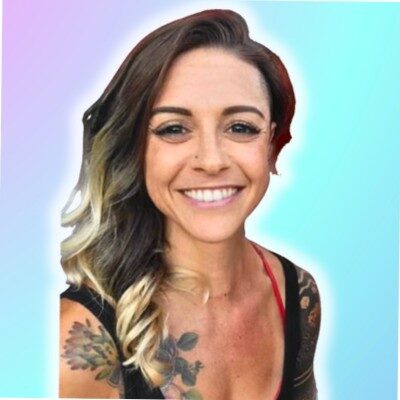
Thyroid Cancer Awareness & Management: Recorded Bonus CEU Podcast Episode
Start : 06/01/2025
End Date: 03/25/2028
Description:
Registered Dietitian and thyroid cancer survivor Julia Diaz, RD combines her professional expertise and lived experience to guide dietitians in supporting thyroid cancer patients and survivors. This 0.75 CEU-eligible session explores risk factors, diagnosis, treatment realities, and long-term survivorship strategies. Julia provides practical tools for navigating the low iodine diet, clears up misconceptions about hormone replacement therapy, and shares insights on emerging topics such as GLP-1 medications.
Learning Objectives – By the end of this session, participants will be able to:
- Risk Factors and Early Detection – Identify key risk factors and recognize early symptoms of thyroid cancer.
- Diagnosis and Prevalence – Understand diagnostic procedures and interpret prevalence and global trends.
- Treatment Options – Explore standard treatment approaches such as thyroidectomy and radioactive iodine therapy, including common challenges.
- Radioactive Iodine Therapy Preparation – Apply best practices for preparing patients with the low iodine diet and related dietary restrictions.
- Long-Term Recovery – Develop nutrition and lifestyle strategies to support survivorship, addressing nutrient deficiencies and weight management.
- Lifelong Monitoring – Recognize the importance of ongoing monitoring to minimize recurrence risk.
- Emerging Trends – Evaluate evolving practices in thyroid cancer management, including the role of GLP-1 medications and their impact on patient care.
Recording Sections:
- 0:00 – Introduction & Objectives
- 03:45 – Risk Factors & Diagnosis
- 17:00 – Treatment Options & Advances
- 30:55 – Nutrition & Lifestyle Management
- 42:20 – Emerging Trends & GLP-1 Medications
- 47:10 – Closing Remarks
Disclaimer:
The Academy of Nutrition and Dietetics (Academy) and Commission on Dietetic Registration (CDR) are not responsible for the provider’s interpretation of the Academy/CDR Code of Ethics for the Nutrition and Dietetics Profession or its enforcement as it relates to the scenarios and content presented in this activity.
The presenter, Julia Diaz, and the Sick & Good Podcast declare that there are no conflicts of interest relevant to this recording. This session is free from commercial support or funding from non-CPE revenue sources.
This re-released episode has been approved for 0.75 CEUs for dietitians, offering both evidence-based knowledge and lived wisdom for professionals navigating the complexities of thyroid cancer care.
To earn your CEU, go to the link in the description. Under Bonus Episode Links, you’ll find the post-quiz link.
Listen to the Podcast on Spotify
Links from the Episode
CEU with Julia Diaz, RDN
Bonus Episode Transcript
Thyroid Cancer Awareness and Management with Julia Diaz, RD
Dustin: [00:00:15] You're listening to the Sick and Good podcast. My name is Dustin Mesick. I'm a registered dietitian nutritionist and a cancer survivor.
Colin: [00:00:20] My name is Colin Goodwin. I'm a clinical psychologist and a cancer survivor.
Colin: [00:00:25] We're promoting wellness by having discussions on screening, treatment and recovery throughout the cancer journey.
Dustin: [00:00:30] To find a balance between sick and good.
Colin: [00:00:32] During the cancer process, both can be true.
Dustin: [00:00:35] The sick and good podcast is for educational purposes only. The podcast is not intended to be a substitute for professional medical advice, diagnosis or treatment. Always seek the advice of your physician or other qualified health care provider with any questions you may have regarding a medical condition or treatment, and before undertaking a new health care regimen.
Dustin [00:01:05]: Hi everyone, welcome to a very special episode of the Sick and Good Podcast. This episode has been approved for Continuing Education Units (CEUs) for dietitians. My name is Dustin Mesick, and I’m a Registered Dietitian and moderator for this episode and Colin Goodwin, a Clinical Psychologist and another moderator for this episode. Our presenter today is Julia Diaz, also a Registered Dietitian.
Julia is a passionate and dedicated Registered Dietitian with a broad spectrum of expertise and interests. Her key areas of passion include Thyroid Cancer, transforming healthcare, reducing food waste, and reframing nutrition from restriction to possibilities.
[00:01:55]
So this is a very special episode , now lets cover the objectives
This session, titled Thyroid Cancer Awareness and Management, is designed to enhance your knowledge and provide actionable insights about thyroid cancer care.
At the conclusion of this presentation, participants will be able to: [00:02:15]
1. Describe the key risk factors and early symptoms associated with thyroid cancer.
2. Explain the diagnostic process for thyroid cancer, including its prevalence and global trends.
3. Discuss common treatment options for thyroid cancer and their associated challenges, including thyroidectomy and radioactive iodine therapy.
4. Apply knowledge of the low iodine diet in preparing patients for radioactive iodine therapy, including dietary restrictions and best practices.
5. Develop nutrition and lifestyle strategies to address long-term recovery and survivorship needs, focusing on nutrient deficiencies and weight management.
6. Recognize the importance of lifelong monitoring to reduce the risk of recurrence in thyroid cancer survivors.
7. Evaluate emerging trends in thyroid cancer management, including GLP-1 medications, and understand their implications for patient care.
[00:03:25] Here is our Disclaimer: The Academy of Nutrition and Dietetics (Academy) and Commission on Dietetic Registration (CDR) are not responsible for the provider’s interpretation of the Academy/CDR Code of Ethics for the Nutrition and Dietetics Profession or its enforcement as it relates to the scenarios and content presented in this activity.
The presenter, Julia Diaz, and the Sick & Good Podcast declare that there are no conflicts of interest relevant to this audio recording. This session is free from commercial support or funding from non-CPE revenue sources.
So, thank you for joining us, and let’s dive into this important topic together!
[00:03:58] Welcome to the sick & good podcast Julia
Julia: [00:03:45] Thank you so much for having me, I appreciate it.
Dustin: [00:03:50] Can you share with us what led you down your career path?
Julia: [00:04:00] So what led me down my career path is my my own personal journey with getting thyroid cancer myself. Completely unexpected because I never had any symptoms that I was aware of for thyroid cancer. And the best thing that ever happened to me was my dad losing my job, losing his job so that it triggered for me to go in to get an annual checkup, to get my eyes checked, my teeth checked, blah, blah, blah before switching over to my mom's in health insurance because I was about 20 years old. And because of that, when I went into my primary care appointment, they found a lump in my neck. Got blood work. Ordered an ultrasound. Ultrasound showed that I had nodule with calcifications. They ordered a biopsy to confirm. And so then I had papillary thyroid cancer. Based on that confirmation, I've had a thyroidectomy Iridectomy. A complete thyroidectomy and my story is long, but to fast forward it pretty much is that I've had a thyroidectomy and I've had multiple in the lymph nodes since then, and because of my health experience and I was already studying to become a registered dietitian, it only enhanced my passion for nutrition, health, and wellness. And I've worked for different hospital systems. I've worked for in dialysis, so I've continued to gain knowledge for the whole body system and how it really works, and why the thyroid in general is such a vital organ for the entirety of your system, for hormonal from stuff, from hormonal balance and metabolism, and even down to communicating with your brain and thoughts, etc.
Julia: [00:05:35] it just really made me decide to do my own thing and open my own practice as a dedicated thyroid cancer dietitian. So what I specialize in is I guide thyroid cancer warriors and survivors through every stage of their journey. So from diagnosis to long term recovery, because I have a deep understanding of the unique nutritional challenges faced by those battling with thyroid cancer, and I offer personalized support that goes just beyond diet advice. My mission really is to empower you with the knowledge and tools needed to navigate the complex landscape of thyroid cancer treatment and recovery. So whether a person is preparing for thyroidectomy, gearing up for the low iodine diet, radioactive iodine 131 therapy, or seeking to really optimize their health post-treatment thyroidectomy, I provide expert guidance for their individual needs. And because a lot of common nutritional concerns that they can face are like low iron and calcium levels, which I'll talk about later. So my approach just really extends a lot beyond just those deficiencies and trying to encourage people to foster more of a holistic lifestyle that supports their overall well-being and what they literally learned. I've had so many different types of clients, but what they really learn is like either to prepare their body nutritionally for thyroidectomy and optimize their faster recovery post surgery and prepare them before, during, and after radioactive iodine therapy and help them really develop a sustainable, nutrient rich diet that supports their health and beyond.
Colin: [00:07:40] Well, Julia, can you tell us what are some common risk factors of thyroid cancer?
Julia: [00:07:45] Yeah. So some common risk factors of thyroid cancer. The well. The most well known and studied has been radiation exposure, so exposure to radiation, especially during childhood, significantly increases the risk of developing papillary thyroid cancer. Individuals exposed to head and neck radiation treatments, they're at a higher risk. And like the historical data has shown that children exposed to ionizing radiation have up to a 25 fold increased risk as well as gender. Thyroid cancer is more prevalent in women than in men, occurring about three times more often in women. But it also it does occur in men. And what I've been noticing, too, is that it's been it definitely occurs in transgender. When it comes down to transitioning from one gender to the other with those hormonal changes and hormonal therapy. There's been. That's been a risk factor. It's been an increased risk of thyroid cancer from those changes. Definitely age risk factor. It usually it's been known to peak for women in their 40s and 50s and later in men around their 60s and 70s. However, there's a lot more cases now of young adults and especially adolescents with thyroid cancer and as well as a family history and genetics. So of course, if there's a family history of like medullary thyroid carcinoma or multiple endocrine, those syndromes face a heightened risk.
Julia: [00:09:00] Like about 5 to 10% of thyroid cancers are familial, familial. When it comes down to medullary or multiple endocrine neoplasia, the lesser known risk factors are diet and obesity. So for diet it's in regions with where there's an iodine deficiency. The risk of certain thyroid cancers like follicular thyroid cancer increases. And conversely excessive iodine can be a risk factor that that would increase the risk of papillary thyroid cancer with. When it comes down to being overweight or obese, it's been with. And what I mean by that is because I'm always really sensitive to not I'm not trying to ever. I'm very inclusive with who I work with. So I am not for fat phobia, it's just more so when there's an increased body fat tissue percentage increases, risks of cancers and thyroid cancer is one of them Because BMI scale can suck. So that's not the overall indicator of health. But when there's an increased body fat tissue percentage that is associated with a higher risk of developing thyroid cancer, and it contributes to about a 20 to 30% increased risk of thyroid cancer. So I wanted to make that clear of why reducing overall body fat percentage is going to be a beneficial on decreasing thyroid cancer risk and reoccurrence. And other thyroid conditions that are lesser known are stuff like thyroid nodules.
Julia: [00:11:00] There's a lot of thyroid nodules. Thyroid nodules are very common. They don't always indicate that you're going to have thyroid cancer, but it is just a risk factor. And goiter is a risk factor as well as Thyroiditis is that having inflammation of the thyroid is a slightly increased risk factor of thyroid cancer. And last but not least would be some studies. They've they've suggested some links between thyroid cancer and exposure to certain chemicals such as pesticides and herbicides. Or people are always talking about glyphosate. It comes down to the dose is the poison. But the people, the farm workers that are handling these pesticides and herbicides, that has been what's been the most studied, and they're the ones that are at the most increased risk. They've done studies on farm workers in California that we know of so far. But when it comes down to just eating fruits and veggies, it is such a low risk in that regard. And there is the data is not definitive. We definitely need more data on that, but that is just something that's always been on my radar ever since I've been diagnosed is I've been just, you know, always wondering why I got thyroid cancer because I have no family history. And it was extremely random.
Dustin: [00:13:00] Yeah. And to speak to what you were saying earlier about BMI, someone's obese. Class two, class three above 40, I guess they would probably have a higher risk factor for thyroid cancer, from what you're saying.
Julia: [00:12:45] Yep. That is correct. Yes. Along with other metabolic conditions, disease conditions. Because if a person is living with diabetes or has been diagnosed with diabetes, from those hormonal imbalances can also increase thyroid cancer risk as well. And absolutely.
Dustin: [00:13:25] Yeah. And if you don't mind me asking, were there. Did you fall in the criteria of the textbook risks, factors that you just described?
Julia: [00:13:45] No, because it was very it was not very common to. And what I really think because of as a thyroid cancer survivor warrior myself, I don't think that those thoughts will ever stop of how and why you get better at managing them, at least over. Over the years I've groomed to, you know, making peace with just accepting that it's a part of my story. It's just a chapter of my amazing novel, novels of my life. But I would say I don't have any family history. I was it was not common for young people to be diagnosed with thyroid cancer. I was never having any thyroid issues. To my knowledge, the one thing that I can speak to though, is I did have a lot of dental work as a kid and they did not use thyroid guards back then. So I had a lot of dental x rays that were probably unnecessary, but we didn't know enough back then. I had a lot of like I had braces twice and headgear. So I was looking real cool as a kid with big glasses, but I would think that was probably a big factor. And then another thing that I was thinking later in life, when I was a young adult, I used to take multivitamins a lot, and just in the fact that a lot of the time, multivitamins, they just have excessive amounts of certain micronutrients and iodine is already found a lot of the time.
Julia: [00:15:45] And that's why we, especially in the US and the Americas, we use iodized salts so that we can prevent goiters, but so that you are able to get a sufficient amount of iodine from our food, and a lot of the time we get packaged food or people eating out and whatnot. But a lot of the time we get enough iodine from the foods that we eat, especially from if we cook at home or if you eat out. It's made with iodized salt. So by taking multivitamins, a lot of the time they'll have extra or more iodine. And so that is the only other thing in question is did I have too much iodine to promote growth of papillary thyroid cancer? There's no way to truly tell. But that's I think, what the radiation exposure and having a unnecessary multivitamin because I was already healthy as a I was very active and eating really well and throughout my childhood and studying to be a registered dietitian, that it was again shocking to me to be like, what? It was very out of left field.
Dustin: [00:16:30] Yeah, I could totally see that as a cancer survivor myself. You're just thinking, why did this happen to me? But I do look forward to reading your book. The thyroid cancer warrior. Someday when that happens.
Julia: [00:16:45] Oh yeah, it will happen.
Dustin: [00:16:50] And just to transition a little bit here, what are the prevalence rates of diagnosis.
Julia: [00:17:00] So the prevalence rates. So thyroid cancer does not discriminate. And it can occur at any age. But because it's most commonly diagnosed most commonly diagnosed in women and men. But speaking of what's been really interesting is that in Australia there's more. There's been a lot. Approximately about 3000 people are diagnosed with thyroid cancer each year, and the incidence has been increasing in recent years. But for the and the United States, thyroid cancer represents about 3.1% of all new cancer diagnoses annually in the United States. But the incidence has been rising with approximately 56,000 new cases diagnosed annually, and it's the most common endocrine related cancer.
Dustin: [00:17:45] Wow. So what are some of the subtypes? I know that you talked a little bit about that a little bit earlier.
Julia: [00:18:00] Yeah. So there are what. For the longest time there was known for four subtypes but now. So that would be papillary thyroid cancer, follicular thyroid cancer, medullary thyroid cancer, anaplastic thyroid cancer. And then now there's an added or it's been more known and recognized as poorly differentiated thyroid cancer. So there are just the more complex versions, so to speak, than what they say is the typical well differentiated thyroid cancer like papillary and follicular and papillary thyroid cancer. It accounts for about 80 to 85% of all thyroid cancer cases, and it's been known to generally have an excellent prognosis with a high survival rate. And there's different subtypes of that which are like classical follicular variant tall cell variants, each with a slight variation in those prognosis and their treatment responses for follicular thyroid cancer. It's about 10 to 15% of thyroid cancer, which includes partial cell carcinoma or and known for being slightly more aggressive and more recently known as oncolytic. And for medullary thyroid cancer. It makes up about 3% of thyroid cancers, and it can either be sporadic or familial. Like I said in the beginning, and it involves C cells rather than follicular cells. So their treatments are different and same with and with anaplastic thyroid cancer. It accounts for about 1% of cases and is known to be rare. But and that's the most highly aggressive thyroid cancer with a poor prognosis and poorly differentiated thyroid cancer. These ones are they're definitely they have a not as well prognosis as papillary because it doesn't respond as well to radioactive iodine treatment. And so they're coming up with new treatments and how to approach this specific subtype of thyroid cancer.
Colin: [00:20:20] And that is exactly what I wanted to ask about. I guess I have more of a two part question here. I wanted to just hear what the common treatments were for thyroid cancer. And if you could speak to the treatment effects of those treatments, that's absolutely redundant.
Julia: [00:20:30] But yeah, no, absolutely. There's a lot. What's really awesome is that because I'm super nerd, because ever since I got diagnosed, I feel like I've always been looking for the latest and greatest thing. And like, it's really awesome to see how much advancement has come since I've been diagnosed and which is a promising thing moving forward. So common treatments like at least the ways to yeah, common treatments would be after you go in for and I should mention actually like what are some like what to look out for. So I'll mention that. But common treatments after getting a going in to see your primary care physician. And then if they notice anything remarkable in the bloodwork and the ultrasound, and you get a fine needle biopsy to determine if they can get that off, like a good sample of which type of. And depending on the type of thyroid cancer that you have. But anyway, so the common treatments would be getting a surgery. So a total or a partial thyroidectomy is the primary treatment for papillary and follicular types. And it's successful in over 90% of the cases when it's caught early. So there's different stages of thyroid cancer depending on when it's caught. And there's this whole system on how to categorize and determine that as well. And for papillary and follicular types, especially radioactive iodine therapy is used post surgery in about 60 to 70% of cases to destroy residual cancer cells left over.
Julia: [00:22:15] And it's actually particularly really effective for papillary and follicular types. And after then. And there's also targeted therapy. So this is particularly for like medullary and anaplastic thyroid cancers because it doesn't respond well to traditional treatments. And they just they work differently and they don't respond to radioactive iodine. So like for medullary thyroid cancer it involves there's new drugs that aren't that have been in the last few years that have been put on the market that are target specific cancer cell mechanisms. So that's been really promising. And they have been also doing highlighting more external radiation ablation therapy. So sometimes when radioactive iodine is ineffective this can be used. External radiation therapy can be used for aggressive types for like anaplastic thyroid cancer when the cancer is spread and sometimes to for anaplastic. Because a lot of times people with thyroid cancer This is like one of the things like, oh, you just have to get a thyroidectomy and you're good, right? Oh, at least you don't have to do chemo. There are some cases where thyroid cancer warriors have to do chemotherapy in a specifically for anaplastic, but they also do, which is new and awesome, at least for depending on the location. If you have follicular, is that depending on the location of where it is on the thyroid gland, if it's more surface level or if it's able to be doing radiation ablation.
Julia: [00:24:00] So it's external radiation therapy as well. So you don't have to do radioactive iodine. It's more it's a little bit more targeted, which is good. But also when I was diagnosed way back when what they would always it was more they were definitely very more proactive on just removing the thyroid immediately. They were very proactive about doing a total thyroidectomy and doing radioactive iodine treatment, etc. but then the survivorship, which we'll talk about later, but just the fact of just removing a thyroid gland when what they mentioned is that because these cells are so small and slow growing, depending on the kind that you have, but this is just what they have, what the thyroid cancer associations and medical endocrinologists and people that are really well versed in these fields have been mentioning because and they speak the majority of the time because of the typical growth rate is very slow growing. If we're talking the like primary cases are papillary and follicular because of that and that they don't nowadays. What's super awesome is they don't see it as emergent to remove your thyroid, especially if you're catching it in an earlier stage. Of course, it's not as emergent to have to remove your thyroid right away.
Julia: [00:25:20] That active surveillance is a common treatment plan as well. It just comes down to the person. Because when anybody I can understand and relate, when anybody hears the word cancer and then it's like option of getting it cut out of your body or active surveillance, you have the choice, then nobody can actually answer that for you, because there's no way to really know what what's going to be the best course of action for you. That's one of the things that's uncontrollable. But active surveillance is actually a good thing. If that's a person that is comfortable and confident with their doctors and their treatment plan and they go to their doctor's appointments, etc., that they can do that, they feel comfortable and confident with doing that, then that is something to do so that at least you can utilize having your thyroid as as much as you can, so you don't have to go on to deal with going on thyroid hormone replacement therapy and navigating the challenges of taking thyroid hormone medication every single day. And the side effects from that, because that's for life. Once you get your thyroid removed, that's for life, which I'm grateful that there's that option because otherwise without a thyroid you will not survive. So I'm glad that there is a thyroid hormone replacement therapy in general for thyroid cancer warriors and survivors.
Dustin: [00:26:45] But you can just take hormone therapy and you're basically like normal, like with the hormones.
Julia: [00:26:55] No. Yes and no. Let's say that. So what I mean, it's it shows that I'm laughing just because that is very common assumption. But with, with taking hormone therapy in your it's absolutely different for everybody. So when it comes down to some people feel fine, normal. They don't feel any side effects, but a lot of the time, what's the. I think the most challenging, especially, is that when you take this hormone replacement therapy and if your levels are off and you only get usually blood work as ordered since hormonal changes, they don't. It's not that they don't happen overnight because you could eat something that interacts with your medication and you won't know the effects if you're blocking your medication, if you're taking your medication wrong, so to speak. And if you're drinking coffee too soon, or you're taking your calcium or iron supplement too close to your medication, or you're eating a really high, fibrous breakfast close to your medication, that could Delay its absorption because you don't get your thyroid labs checked weekly or stuff like that. It's like you don't know until you feel symptoms that something happens, but and it takes a while to feel these. It can take a little while to feel these symptoms, but when you and when you make adjustments like some, it takes a while to feel these symptoms. When you go and you get your blood work. And if it's, for example, if it shows that your if your thyroid is elevated, your thyroid number is elevated, that means you're hypothyroid or low, low thyroid. And there's a wide range of symptoms you can feel from that especially fog, brain fatigue, but really cold hands and feet. And there's a whole there's a whole list of symptoms that people can feel, especially when you're really hypothyroid.
Julia: [00:29:10] You feel a lot of like pain in your joints and your fingers and your ankles. So those could be some just a few common signs of many that I just mentioned. But when you get your blood work and then it shows that it's high, you make a lab adjustment on your medication from your doctor. When you make a you make a medication adjustment. When you make your med adjustment because of the half-life of the medication is relatively quick. Your blood work. If it if you make an increase in your dose, it will show in your blood work relatively quickly, like in about a week or two if you got it, if you went in and got tested again and it shows that your you got your blood work, you got it tested, it might. And so for example, it shows that your labs are quote unquote within range and normal. The doctor is going to be like, oh great, your labs are normal. It's not thyroid related, whatever symptoms you might be still experiencing. But it takes About 2 to 3 months, sometimes for some symptoms to resolve after a medication adjustment from being out of range in the beginning. So it's just there's a lot of challenges when it comes down to taking thyroid medication and navigating life after having a thyroidectomy. This so on paper textbook by taking thyroid medication, you can live. You can still live and live a prosperous life. But there's challenges that you face with making sure that you are really taking the medication well, to give you the most amount of energy and the best quality of life long term. If that makes sense.
Colin: [00:30:55] I wanted to ask if you could just speak to the diets that you recommend across the treatment and survivorship journey. You know, one thing that I think that you had brought up is just that concept of a low iodine diet.
Julia: [00:31:15] Oh yeah. So the low iodine diet is very specific to people that are going to be doing radioactive iodine 131 therapy. So this is preparing for radiation only, this diet is crucial in treatment of the component of and management of differentiated thyroid cancer. So particularly with papillary and follicular. But this diet it's prescribed for only a short period. So usually 1 to 2 weeks before radioactive iodine therapy or diagnostic scans. And the primary goal is to deplete the body's iodine stores to less than 50 micrograms per day. So making the thyroid cells and any remaining thyroid cancer cells hungry, so to speak, for iodine. So that increases the effectiveness of radioactive iodine treatment for improving the accuracy of diagnostic scans and radioactive iodine uptake to help prevent future reoccurrence. And this is something that I've I'm so passionate about because I've had to do this twice myself.
Julia: [00:32:25] When it comes down to preparing for this whole the whole experience is very stress inducing and a lot of anxiety around it. You want to make sure that you're doing it right and you don't. There's a lot of information that's online that's contra. It's just very they contradict each other and it's very vague because it's really hard to determine sometimes iodine levels. We have a lot of research on iodine levels of common food sources, but it's all dependent on iodine in the soil of that year where the food came from that you're eating. And so for the low iodine diet specifically, there are certain foods to avoid. The major ones are iodized salt, which is the primary source of iodine in many, many diets should be avoided. And it's in seafood. So all fish, shellfish, seaweed products high in iodide should be eliminated. Dairy products like milk, cheese, yogurt, egg yolks. You can have egg whites, but egg yolks are not okay.
Julia: [00:33:30] Processed foods is very hard to know whether a food item is has the salt is iodine free or not, there's so many online support group boards that say certain products are safe, like Trader Joe's, for example, they've been mentioned. I'm not trying. I love Trader Joe's. I'm not trying to rag on them, but just people just to be aware. If you're preparing for a diet, it's just an example that there are certain organizations online or there's certain support groups online saying that their products are safe for the low iodine diet. But when I contacted them directly to get in, in writing, I say, hey, they say that they don't use salt with iodine, but they're able to sub different salts. So even though it says that they don't supply salt with iodine, what they can sub in with Himalayan pink salt, even though it says does not not a sufficient supply of iodine, it's still considered a sea salt which is not allowed on the low iodine Diet. They can sub in for kosher sea salt, which is not allowed in the diet, so it doesn't specify that in the nutrition ingredients list, which is why it's a very overwhelming process, the good news is, is that there is a lot of foods that are allowed. It's just making foods at home.
Julia: [00:35:00] When it comes down to eating out, I highly advise against it and that preparing your own meals throughout this whole time allows people to have the most and complete control, and to start preparing early by reading their nutrition labels sooner so they're more familiar with what the foods that they do have. And there's a whole I have a huge, extensive, comprehensive list of hidden sources of iodine. Like carrageenan is a big it's an ingredient that's used commonly as a thickening agent. It's not cancer causing, by the way, but it's a known hidden source of iodine, which is in a lot of food and food products. I want everybody to have really successful treatment, that's for sure. And as well as making sure that they have adequate nutrition, because a lot of people become even more fatigued because they're eating so much less because meat has to be really restricted to no more than 2 or 3oz per day, or. Yeah, two. No more than two servings, 2 to 3 servings per day, which is about a three ounce serving size if you're going to have animal based meat. And so to ensure that it's low iodine because they eat, especially if we're talking about cows, they eat grass, comes the soil iodine or it's injected with salt solutions to help preserve it. There's iodine, so you always want to get fresh meat from the butcher so that you're controlling this as much as possible.
Julia: [00:36:30] And again, the low iodine diet is very specific to certain treatment for radioactive iodine therapy. When it comes down to just in general of like nutrition and lifestyle for thyroid cancer survivors, I do not. I am like, there's no there's actually no specific diet, but there are certain thyroid cancer warriors and survivors that that I've worked with that not only have thyroid cancer, they also have other autoimmune conditions that are related to the thyroid, like graves or Hashimoto's. So if somebody has Hashimoto's, they do need to be more particularly careful on reducing or eliminating gluten to reduce their thyroid antibodies for reducing inflammation in that way. Now, not everybody needs to eliminate gluten, but for them, that is one population that it is advisable as well as there's a lot of celiac disease that can happen with the imbalance of thyroid that has been common. And if a person is diagnosed with celiac, then of course they need to avoid gluten. And there's certain populations that do need to be aware of those. But not everybody needs to, because I find a lot of people will overly restrict under nourish. And that adds to the already fatigue and exhaustion that a person can feel after having a thyroidectomy. Some people that they may or may not need to eliminate dairy, but it's not entirely necessary as well. There's it's like a there's no real avoid lists besides the one, the only two things that are cancer warriors and preventing reducing thyroid cancer risk and reoccurrence is processed meats and alcohol.
Julia: [00:38:50] And smoking is another one. But the two food groups especially are those two. To really make sure that you avoid everything else, it's up to the individual, but when it comes down to diet, that that is the best, honestly, is really to, as I always incorporate and encourage, is a more plant based, encouraged diet. Eating more plant based proteins, eating more nuts, seeds, legumes. You can definitely have lean proteins. You don't have to be vegan, vegetarian or anything like that. But it's always encouraged to be able to get more foods with fiber and more antioxidants from colorful veggies. I always encourage to get at least 30 different types of plant foods per week, so that includes fruits, veggies, whole grains, nuts, seeds, legumes, and herbs. Fresh herbs as well, because they're rich in a lot of antioxidants just to help reduce cancer risk and increase fiber intake to reduce other cancer risks as well, and other key nutrients, though, and to be sure, by also getting those types of foods that will help with increasing iron. Sometimes people they are low iron after having a thyroidectomy or they could be low calcium. That's another thing that I forgot to mention before, is that one of the complications from getting a thyroidectomy, a lot of the time are parathyroid glands can be affected and these little glands help manage our calcium balance, calcium and vitamin D balance. And they regulates calcium metabolism so that you might need to increase their. So they'll need to increase their calcium and vitamin D intake to maintain good bone health and prevent hypocalcemia and especially immediately post thyroidectomy.
Julia: [00:40:30] That is, something will require supplements, but they can absolutely get enough calcium from a well-planned diet from their food. And that is something that I do and have worked with. Lots of thyroid cancer warriors is not have to spend a lifetime living on supplements and chewing Tums like it's candy and that kind of thing, because that's miserable. I would rather people get the power and knowledge of really fueling their body with the nutrition that they need from their food, and reap all the benefits. And then, although it's not specific to thyroid cancer, selenium plays a huge role in thyroid hormone metabolism even after having a thyroidectomy and taking thyroid hormone. So just taking 1 to 2 Brazil nuts a day will give them that, that help that a lot of the time people are low on anyway. And because over any if you over supplement or you have too many and don't eat, all you need is 1 to 2 Brazil nuts a day if you're allergic to Brazil nuts. So those are other sources, but that is usually the easiest way to get selenium is having 1 to 2 a day so that it helps with health after having a thyroidectomy and thyroid health in general, because too much selenium can be a bad thing. So that's why just that is just sufficient enough to help get the amount of antioxidant like property that you can get from it.
Dustin: [00:42:15] What are some hot topics related to the treatment of thyroid cancer?
Julia: [00:42:20] Oh, yeah. So one of the major I get a lot of questions. So a major question that I get is in relation to the medications, the GLP one medications and thyroid cancer interactions. And so GLP what are they? what GLP-1 medications do that glucagon like peptide one receptor agonist. So the class of medications primarily used to treat type two diabetes. And a lot of thyroid cancer warriors and survivors that I've worked with, they are living with thyroid cancer. They are living with diabetes as well. So these drugs, they work on increasing insulin secretion, decreasing glucagon secretion showing and slowing gastric emptying. So there's I always get the question because they want weight loss. That's another big side effect from after having so to speak, after having a thyroidectomy or a survivorship struggle is weight gain because of taking thyroid medication. And even though if your labs are normal, I always like to say that without a thyroid, even with taking thyroid medication, your energy level new normal is probably like a 60 to 70% capacity at most from what it was before. That is like your new that is like the best you can get is like between 70% of 100 as of having a thyroid. So anyway, because of this sluggishness were not as it's it really comes down to discipline throughout the challenges because I get the challenge of being exhausted all the time or feeling exhausted all the time, which is why building a lifestyle to really optimize and taking your thyroid medication and getting being a really good professional on that, basically, so to speak, to make sure you're maximizing your energy as much as possible so that your metabolism is as optimal as it can be for weight management.
Julia: [00:44:30] And they seek these medications because it was approved from diabetes, I mean, commonly treated for type two diabetes, but now it's opened up for just being treated for obesity and overweight. It's been opened up to a wider range of people. But it comes on with this warning. Warning if anybody with a history of thyroid cancer, but particularly medullary thyroid cancer, I get questions a lot about the fear about oh my gosh, but does it increase thyroid cancer risk or is it safe to take so the warning of medullary thyroid cancer stems from the findings in rodent studies. So GLP-1 receptor agonists led to the development of c-cell hyperplasia and the tumors in the thyroid gland. So, and the C cells produce calcitonin, which is a hormone involved in calcium homeostasis and hyperplasia of these cells can be a precursor of medullary thyroid cancer. So, what the research says is that it's the findings are in animal. So, an animal studies rodent studies. It's that these GLP one receptor agonists can stimulate C cell proliferation leading to the hyperplasia and tumors.
Julia: [00:45:45] And so the effect it's thought to be mediated through the GLP one receptor on C cells. And the relevance to humans is it's really uncertain because as a significant there's significant species differences exist in GLP-1 receptor expression and regulation between rodents and humans. And for human studies, there's not a clear. The evidence so far has not shown a clear increase in thyroid cancer incidence with the use of these GLP-1 receptor agonists, but long-term data is limited. I always I work with people that are taking these medications and they're generally viewed as safe, but I'm just a person that's always going to want to pitch it, even though it's harder, it's going to take longer. But I always encourage lifestyle and dietary recommendations changes first when it comes down to weight loss and weight management, because that is just the safest, because we don't know long term effects of these drugs yet. And especially if somebody has medullary thyroid cancer, those would be the ones that just because of that warning, they're the ones that are advised against.
Colin: [00:47:10] And well, thank you so much for joining us today and to speaking to your your expertise on thyroid cancer. And we'll go ahead and end there.
Julia: [00:47:20] Thank you so much. I really appreciate you both for allowing me the time to speak, bring awareness and share some insight.
Colin: [00:47:30] Our podcast will discuss.
Topics related to cancer treatment and the recovery process, including diagnosis, family support, resources, medications, and nutrition. We aspire to have conversations pertinent and relevant to the cancer journey.