
Adolescent and Young Adult (AYA) Programming
With Special Guest Wendy Griffith, MSSW, LCSW-S, OSW-C
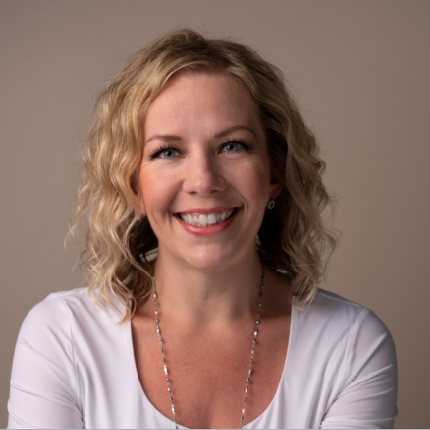
Wendy Griffith joins the conversation to share her role at MD Anderson as the Program Director for the Adolescent and Young Adult program. Wendy Highlights her research, specific areas of concern and expectations of treatment and recovery for AYA cancer patients and writing for the hospitals blog. Wendy names legacy work as an important tool to ensure family traditions and tell unique lasting stories.
Listen to the Podcast on Spotify
Links from the Episode
Interview with Wendy Griffith, MSSW, LCSW-S, OSW-C
Episode 010 Transcript
Colin Goodwin_PsyD
All right joining the conversation we have Wendy Griffith she is a licensed clinical social worker with over fifteen years of healthcare experience that includes clinical work with patients and caregivers and Macrolevel work involving project management and quality improvement.
00:16.98
wendy
Thanks Excited to be here.
00:17.37
Colin Goodwin_PsyD
So welcome Wendy wanted to ask as we do with each guest. What kind of brought you into the cancer field.
00:27.35
wendy
That's actually a great question. Um, when I was in college one of my professors had just started at the University Of Texas and she had an expertise in pediatric oncology and so she offered this social work and the medical setting class which I don't know just had it interesting to me I had no idea sort of. What environment I wanted to work in or what population I wanted to work with and so I saw the class I took it and just every story she told and the way she described the work and the patience and the impact it just always sounded amazing to me and there were other people in class who actually always said it sounded really hard to them. And I was like I don't I don't get that I mean it does seem hard but it just seems amazing and I just I don't know even just hearing about it sort of was enthralling to me. Um, and so then when it came time for me to do my first internship I ended up doing it at Scott and white up in temple and ended up also in pediatric oncology and so. I just fell into it and after a few weeks I loved it and ended up never leaving even though in my grad school internship I actually tried to find a different setting to work in and then as I was applying for jobs I tried again to do a different setting and just all roads always led me back to oncology and so I finally just. Realize it's really my passion so it's where I've stayed.
01:46.13
Colin Goodwin_PsyD
And that's awesome. It's ah, almost something that came to mind as like the what's that saying I'm blanking on it' like that tried to get you out of the game but the games still wanted you or something like that we can edit that out.
01:57.74
wendy
Yeah, yeah I I couldn't get Yeah I Just yeah I couldn't get it I couldn't get away from it and after a little while I didn't want to get away from it because it was so it is. It's just so meaningful and you get to meet like the best people and like whether that's colleagues or patients caregivers doctor like everybody. Everyone was just amazing and.
02:03.88
Colin Goodwin_PsyD
I Couldn't get a big.
02:08.19
Colin Goodwin_PsyD
Oh.
02:17.66
wendy
It was just really I don't know fulfilling to to see the impact that you can have.
02:20.40
Dustin Mesick_ RDN
Wow, It's kind of like you wanted to get out of the game but the game just wanted you to stay in.
02:24.72
wendy
Yeah, it did so Harry Am Fifteen plus years later still in oncology and still loving it.
02:31.34
Dustin Mesick_ RDN
Great. Well could you tell us about your role at MDAnderson
02:37.50
wendy
Yeah, absolutely So the role has changed a little bit over time when I first started there I was a social worker and I worked in and the headnet clinic. Um directly with patients and in that time I I was on the adult side of course. Um, but I.
02:53.17
wendy
Had history in pediatrics and so I was seeing a lot of patients who actually were younger and who were in their young adult phases and a lot of older adults. Um, but it really became clear sort of some of the gaps in care for the adolescents and young adults. Um, and so you know I did it for many years and I think all of my team sort of knew my love and passion for the younger patients and so I was always really involved with them and just kind of over time continued kind of on a separate path of trying to create a young adult support group and then I joined our young adult advisory council and eventually started leading it. And so just over the years we were really identifying more and more so the gaps in care for adolescents and young adults and sort of how we could serve them better and so across many many years we kept coming up with ideas for how do we have an actual program that can serve these people. How do we? How do we have a clinic like what's the dream. And so with our young adult Advisory Council we sort of brainstored what this could look like and created a business plan that eventually got approved and so once that clinic officially launched in 2018 I actually left social work and then I came over um to the a adolescent and young adult program where I now have the privilege of being the program manager. And honestly I you know what that means is that I I have my hands in a lot of pots and I do a lot of different things. Um and and really my job is just to support the team and the people and the programs. Um that support our patients and so sometimes that's working within our medical record system and improving.
04:23.40
wendy
Flowsheets and reporting and looking at data and numbers. Sometimes it's planning you know a Saturday like we did yesterday at cyeradede and doing fun stuff and doing retreats. Um, sometimes it's you know, reviewing scholarship applications and. Doing quality improvement projects and trying to sort of implement new things that patients want to see in the waiting room or in the clinic process and so I just have a hands and a lot of different pots and I get to do a lot of different things. Yeah.
04:47.15
Dustin Mesick_ RDN
Yeah, it sounds like you are wearing a lot of hats and that it's very rewarding you get to be like in management kind of helping everybody who's there.
04:57.86
wendy
Yeah, absolutely and and truly the role technically is administrative. Um, but I Still really love the clinical work because I actually still do our support group. Um, and of course I've been doing this for a really long Time. So I know a lot of our patients personally and so I still get that sort of. Patient engagement and interaction and to me I don't know how you can be a really good successful administrator and build a program if you're not directly in tune and in touch with the people that you're trying to serve and so um, I'm super super lucky and I work with a great team and and we have a great leadership team. Within pediatrics in and being orson that are super supportive and so I really get to do as much or as little of the clinical care as I want to.
05:41.63
Colin Goodwin_PsyD
I Ah we are going to ask I'm sure more questions about ah the adolescent young adult role and and I just wanted to ask a. Ah, little bit about um, some research that I understand you've been a part of and B understand can you tell me a little bit about the advance care planning research that you did.
05:58.22
wendy
Yeah, absolutely so within oncology obviously advanced care planning is a topic that has just kind of increased in popularity and awareness over the years but I mean it's always really important and the truth is actually advance care planning is something all humans should do so whether you have cancer or any kind of illness. You know whether you're in your twenty s or you're in your sixty s really everybody should have their advance directive documents in place. But. But the most part it's something a lot of people don't ever think about unless they are diagnosed with some kind of serious illness. Um, and so of course within oncology we talk about it a lot. We encourage it a lot but it still has sort of the stigma around it where. People feel like if you're asking them if they have a medical power attorney or if they have a living well they feel like sort of what you're saying to them is like this is not going well and do you have your affairs in order and that couldn't be farther from the truth. It really is just that all humans should have them and if you do have them the hospital just wants a copy to make sure that we can honor your wishes. And so that we know that you're getting the kind of care you need no matter what happens and so um, even if it's just after surgery and you're still sedated like we would want to know who to go to and what kind of decisions you would want to be made if you're not able to make them yourself and so.
07:14.87
wendy
We realized many years ago when I was still in social work and I think a lot of people across the hospital realized this um it was kind of ah an effort to change the culture and to sort of shift that perception and that's really starts with sort of education and so it's educating. Patience about what it really is and just really normalizing it and validating it and saying it's really something we should all be doing and so you know don't panic and don't worry if someone asks these questions. It's something we ask literally every patient and then it's also going to sort of the the physicians and there's partitioners and the nurses and and all the people who are. Interacting with the patient on the clinical level and really giving them the right language to use to have this conversations in a way that is sort of still uplifting and um and forward thinking and not in a way that's going to scare patients and so um, we really started diving into sort of a quality improvement project where. We did some of these education sessions and we went across the campus and went to multiple different clinics and through that first initial phase what we really found is a lot of the doctors were already having these advance care planning conversations just inherently in their day-to-day clinic visits as they would be talking about side effects or. You know the next treatment phase or you know how they were how they were coping and and then just ended up. They were already having the conversations some of them. But then we realized they weren't being well documented and so then we kind of went through this like second phase of ok we really need a way to have a structured documentation tool to where.
08:43.62
wendy
Anybody anywhere anytime can open a patient's chart and know what conversations have already been had what documents do we already have on file. It should be easy. It shouldn't be something that as someone has to dig around on the chart to find and it shouldn't be something that you have to ask the patient about constantly like we should all be able to find it. Front and center and so we sort of really went through this process with our medical record system um to create that kind of documentation tool and so we were able to see a lot of improvement once we had something structured that was really easy that people could just kind of click through select the right boxes and sign it and it was in the patient's chart um the adherence really improved and. And really advanced care planning is a quality metric and and really speaks to the quality of care that patients are receiving and so um, it took a few years to go through of course all these processes but and the end it was really meaningful and you know it's still something that is talked about today and just trying to continually improve. Those conversations and how they're happening when they're happening and just the documentation that they are happening.
09:42.80
Dustin Mesick_ RDN
Yeah, this actually gives me an idea I Wish it was like voice activated because very often just from personal experience looking in the chart I'm looking for something and I just can't find it be so great If you could just call it out and the computer was like.
09:52.66
wendy
Yeah, right.
09:57.84
Dustin Mesick_ RDN
Are you looking for this and you just like showed it all.
09:58.61
wendy
Yeah, you're like yes I am that's exactly what I'm looking yes, exactly it was even if someone did ask a patient hey do you have a medical power attorney if the patient said yes, a lot of times it was just 1 line of text written buried within this three page clinic note so who's going to see that and.
10:13.64
Dustin Mesick_ RDN
Me.
10:17.67
wendy
Now the electronic record. Um the E hrs are are getting better at searching but you know that that hasn't been the case up until now and so you couldn't just search for a term and find it and so you really did have to sort of tag. It label it and like bring it front and center. So it was easier to find.
10:34.66
Dustin Mesick_ RDN
Yeah, it actually also makes me think of how different doctor's visits would be be very like futuristic vibe like all right Siri I'm looking for this patient. Um and his information and the computer talks back like oh here you go and then just like.
10:48.67
Colin Goodwin_PsyD
Um I don't think that's a very good idea. Dave.
10:50.95
wendy
I I was like we're probably actually not that far off from that but it could be a little scary.
10:53.97
Dustin Mesick_ RDN
Ah, yeah, yeah, um, so um, what has been the most satisfying about working with the a y a population.
11:07.48
wendy
Wow Yeah I don't even know how to how can I count the ways. Um, there are just so many so many things that make it really satisfying. Um I Guess I Guess maybe just sticking to the impact that can be made and then and working with. All age groups I think all of them have you know their unique set of Needs. You know whether it's a child.. It's an a way a or it's an older adult everybody has needs and I wouldn't say the experience is easy for anybody so like no matter what your age is it can still be really difficult challenging experience in a lot different ways. But I have found with. The away is specifically that they're there. They actually seem to have a lot more because they're kind of pulling in those the the childhood issues and the adulthood issues and like they're overlapping in this in this period of time and so they they're they're in this phase of life where they're starting to take new things on and becoming more and more independent and like really you know. Searching for their identity and and what they want out of life and then when cancer comes in and kind of shifts. Everything. Um, it really walks rocks the world and so I guess it's just really meaningful to be able to support them through that and like I was going to say walk with them through that. But. And don't think that's actually a good term that you're supposed to use anymore and it's not quite that it's just um, it's really just supporting them through it and sort of being a witness to it and giving them the resources giving them the connections to each other and when you see that magicking me when you see those connections and.
12:37.82
wendy
Those people interacting with each other saying oh my gosh you know I don't know anybody else my age that has this cancer or you don't know anyone else who has been through this or has had to face these things. Um, it's just sort of like worth it to to see that magic when they connect. So yeah, there's a there's a lot.. There's just so much good that that happens but I think that. Connection and support is so satisfying.
13:01.70
Colin Goodwin_PsyD
Preach Um, well you know this is ah a research area that I'm specifically interested in and I wanted to ask if you could just ah, maybe speak a little bit more so um to those areas of concerns. Um. For the populations during treatment or post-treatment.
13:16.22
wendy
Yeah, so you know across the board I think when you're meeting with patients that there's always questions about their housing and their transportation and their finances and just sort of their support network and so there's all these sort of basics that you you get out of the way or not get out of the way but the the questions that you want to know about all of your patients. Um, and I would say those are all still factors of course. Are they ways I think what tends to be a little bit different um is really focusing on the relationships like this is a point in time and not just romantic relationships but just platonic relationships. Um. This is the time where they're dating or getting married and and really sort of taking big neck steps and um, especially you know if you're in college and you've been with this cohort for the last three years and then you're the one that kind of has to take a few semesters off now. All of a sudden all of your friends are like graduating and getting their first job and like you. Aren't yet and so it's those relationships that are are really drastically kind of changing and just morphing and evolving in this phase of life and so throwing cancer in there just really amplifies some of those challenges so relationships um is a really big topic sexual health. Is a really big topic. Um, it's still something we're trying to encourage providers to talk about patients to talk about like it does impact them and let me also just say even sixty year olds still they should be asked about their sexual health too. But yeah in these a way ranges like.
14:45.52
wendy
This is what all of their friends are doing and whether they're trying to have kids or not have kids but just talking about how to have a safe sex and what that is and about their fertility risk about their goals for family planning in the future like some people aren't really thinking about that yet or haven't really been asked the questions and they don't know to ask those questions because they don't. Know that they don't know in the ways that cancer treatment can impact that so you know just especially with sexual health. It's a big topic that we're trying to really push more um and then I think like the the school and work kind of the vocational counseling aspect of it. Um. A lot of them are a lot of them still end up graduating college or or they get a degree in whatever they they had planned to but there are some patients who want to switch degrees who get cancer and realize wait a minute. This is not what I like to do anymore or like I want to switch or I'm not happy and actually understand that makes me happy. But even for the people who do see the court and they do graduate. They do have their degrees and they're going on to get jobs. Um, you know a lot of people who even have jobs are nervous to change those because they have their insurance and you know once you have health insurance and you are established to the medical system the thought of changing a job or potentially. Losing that health insurance and potentially having to change doctors like that's really scary. Um, and so it's not only sort of that that educational career pathway that gets impacted but it's even just like how to maintain a full time job when you don't have that kind of energy anymore and you know.
16:18.52
wendy
What kind of accommodations can you ask for? How do you ask for them. What are your rights at work. You know all that stuff with like long-term disability and short-term disability. Um, and and they're so kind of young and so you know as people get older. Sometimes there are more options but when you're in your twenty s and you haven't really paid into social security yet like those aren't always options for you. Um, So I think the relationships the sexual health and um, vocational counseling are kind of the the ones I would probably call it the most with I would add aside about mental health but I would also say mental Health is something that we focus in on an all age ranges. Um. Just think it's something now that is becoming less taboo to talk about and people are more willing to kind of share their struggles and so really being able to identify that and get them connected to the resources they need.
17:07.40
Dustin Mesick_ RDN
Yeah I'd love to see a lot more mental health happen in the cancer space like I feel like that's a really important piece of the puzzle.
17:14.29
wendy
Yeah, yeah, well and so my young adult will always joke that you know most hospitals have a distress screening that ask them on a scale of 1 to 10 what their distress has been the last week. Um and the challenges a lot of especially my young adult patients will say they always. But 0 even though they'll say oh yeah I had an absolute medown yesterday or like I had a total panic attack about my upcoming scans but they were like you know if I select this then what like someone's going to call me or I'm in a handout like I I need like therapy I need to talk to somebody like I want actual sort of mental health support. Um, and I and I want to know even just like. What I'm doing is normal or that what I'm experiencing is normal and that I'm not alone. Um, and so you know fortunately, we have the opportunity with our patients to say like yes if you select this we will help you. We have the resources like we got you? Um, but it is more than just asking for a number on a scale of 1 to 10 right.
18:06.16
Dustin Mesick_ RDN
Yeah, absolutely I also was thinking. You'd be great. You know in the medical systems. They're like well we we see in your lab work like your cholesterol is high or like your blood sugars high. It be great if you be like we could see in your lab work the your stress levels high feel. We talk about that.
18:20.19
wendy
I know I know and then the challenge though for that for that is that then it's like what do you do now because like how do you not be stressed during cancer like that's that's hard. That's a tall order.
18:34.99
Dustin Mesick_ RDN
Yeah, absolutely maybe there'll be some new ah lab work ah markers that we'll be checking for in the future for mental health.
18:40.77
wendy
I Mean that would be the dream.
18:47.60
Dustin Mesick_ RDN
All right? Um Colin did you want to say something we'll edit out what I just said.
18:56.20
Colin Goodwin_PsyD
Ah, no, well 1 thing that I was thinking of as I was listening to when you speak of just the specific and concerned here for the population is there's a. Punk band called gray that has a song where the lyric is ah is a time in my life where everything is falling apart. But at the same time. It's all coming together.
19:17.40
wendy
Um, yeah, and that that really is I think what people feel like a lot of times. It's like and there's this experience where I think. From the outside people think okay that someone got diagnosed with cancer. It must be really hard. They're really struggling. They're getting treatment I'd be there to support them and then after treatment they must be fine and really what actually usually happens is like during treatment. They're just keeping their head down one foot in front of the other trying to get through it getting to the end of it. You know that kind of light in the tunnel or at the end of the tunnel like they're trying to get there. But while they're getting there. Yes, everything kind of is falling apart and crumbling and changing but they don't really have the the bandwidth and the head space to like focus on it like they're literally just focusing on treatment and trying to survive and having. You know as few symptoms as possible but then at the end of treatment that is when they kind of look up and realize oh yeah, ah everything changed like all of these things are so different. It does feel like everything is falling apart and like it's weird because then at the same time like now you just went through this major thing and things. Are actually in theory like looking up and you're done with treatment and hopefully you've been cured. Um, but it doesn't always feel that way and and kind of holding space for both as is tough.
20:32.13
Dustin Mesick_ RDN
Yeah, absolutely especially just talking more on this topic about everything falling apart and you know healing at the same time I'm curious What you could tell us about the expectation that the Ai patients have for recovery and remission versus the actual. Recovery healing process itself.
20:50.53
wendy
Yeah I actually would say that I I think this is probably loosely across the board because I think this happens even when it's kids or it's older adults adults that get diagnosed. But I think it is that sort of experience of they expect that when they're done with treatment. Think it's better like their body snaps back and their life snaps back and they go back to work or they go back to school or they go back to their families and you know it's done and for some people I do actually think it happens that way. Um, but for a lot of people. It does not happen that way. Um. And you know it's I can give you a million examples but even just thinking through of like if you have young kids and you get through cancer and you get through the treatment and you knew it's going to be roughtoring those times and so you know you had people helping with drop off and pick up and meals on that kind of stuff but then after treatment the expectation is that. You're good again like everything is good and in reality like your body's still healing and recovering and so sometimes like you actually still need a lot more support for many many more months and it just little things like going up a flight of stairs or trying to like throw laundry in and and changing it every couple hours like that. Requires energy and sometimes people just don't have that level of energy after treatment. Sometimes their fatigue levels can take the longest to recover than anything and some people are still experiencing pain or their wounds aren't healing or they're not eating or they're so on stairways and they're actually gaining more weight like.
22:21.97
wendy
They're just all of these things that don't actually happen until later or that you realize well I know that happened during treatment like I knew I gained weight from steroids during treatment but I thought after treatment it was all going to go away. So I just think there's this like kind of a cross the board expectation and I think you know sort of society keeps that in place of that. 1 todo treatment. Everything is good. Um, and it's absolutely not true and for most people they would say that's not that hasn't been their experience but it's really hard to kind of um, educate people about that and like just bigger societal expectations of saying that sometimes after treatment as when people need the most support. Physically and emotionally like that also is when they tend to have some of the the bigger mental health struggles where they realize like what this whole skin anxiety thing is and how even if you're 4 years out of treatment going back to get those scans still takes you back to a deep dark place. It still makes you feel things that you hadn't felt in the last you know six nine months and so it just it brings back a lot and a lot of them. Don't have someone to talk to you about that because most of the people in their lives will say but you're fine. Don't worry your last scans were clean. You're not having any symptoms. You're all good. So a lot of people just will kind of. Not intentionally dismissed but they just they want to make the patient feel better and they just say don't worry about it like not really realizing that like this is something that of course they're worried about they're ingrained to worry about and I've had patients even 10 years out of treatment. You know who are long term survivors.
23:52.73
wendy
Still have that little thread of scan anxiety that they just they didn't they didn't know when they finished treatment that they were going to still be feeling those ways ten years later um and so I think just that's the time when they people identify sort of the. Maybe the trauma that they experienced or you know new onset of anxiety new onset panic attacks. Um I've even seen patients who have a little bit new onset ocd after cancer treatment. So I think there's just um, a lot of physical and emotional changes that happen after treatment that people just don't expect.
24:24.18
Dustin Mesick_ RDN
I'm I'm also curious this just raise another question is I'm not really that aware of how much mental Health is a part of this treatment process like after they've scored 0 on the scale is there any follow up like after they've recovered. Are they in this recovery healing process.
24:43.18
wendy
Yeah, so every every hospital every clinic does it a little bit differently and ah and I think I was like how do you say this? I think that everyone is trying and doing what they can with the bandwidth and the resources they have. But I think everyone can be doing better and and I think everyone would probably agree that they can be doing better. Um, I think a lot of patients come in for those followups and they get those scans and you know maybe maybe someone will ask them like how are you and how are things um, but there's not as much of ah, a focus on ok. Well here's some resources like here's what we how we can help you. It's usually just ok. You're good. Great here's your scanned you're doing fine. Um, just keep at it. You know we've even had patients who will go to their fall appointments and say you know hey listen like sex is still really painful and like is that normal and sometimes they're just told yeah it just takes time but like a year or 2 already has passed and so like. It can't take time but also there's pelvic four therapy and maybe there's some kind of hormone imbalance or you know, maybe there's a doctor that you could see that could evaluate things and really specifically tackle that issue. Um, but sometimes patients aren't asked about it and sometimes they don't report it because they don't really know that that can be a side effect of their cancer. So. I guess that's a really long winded way of answering the question and saying that I think people are trying and I think there's also just still so so so much more work to do of helping patients beyond just the end of treatment because I think that's where a lot of the focus is.
26:12.71
Colin Goodwin_PsyD
And as a mental health you know, professional I wanted to throw my hat here and what we're really talking about is the N Ccn distress thermometer screening and whether that is a helpful tool of having mental health screenings and.
26:22.39
wendy
Me.
26:31.68
Colin Goodwin_PsyD
Ultimately referrals for that proper treatment and services. Ah, it is It is a requirement I'm not sure if you know about about this destinin for then the commission on cancer that they have these certifications so it that is part of it and and it does help then Screen. Ah, for those who are then needing that help um but know as as we've discussed and maybe it's ah you know, not just a one and done. You know it's It's that's circling back to that and really having those conversations to then pull that thread you know.
26:58.19
wendy
Right.
27:09.00
Colin Goodwin_PsyD
Like ah when you was saying is that like recognize that okay there was There's a zero here but you just said there's a meltdown. So I mean is there's some minimizing there absolutely and there's the thought that like okay man am I going to get called Am I going to and like have a service or you know have.
27:09.50
wendy
Ah, her.
27:15.51
wendy
Right.
27:25.99
Colin Goodwin_PsyD
Another appointment that it's just going to be too taxing or you know maybe just too much. Ah, but I digress and I think um for so much of that I was really turning into like a bobblehead you know I really.
27:27.61
wendy
Her.
27:36.72
Dustin Mesick_ RDN
Um, yeah.
27:44.90
Colin Goodwin_PsyD
Wanting to then reflect on like that that social pressure of the healing process and you you know I've spoken to this before that like you know coming out of the hospital initially like everyone's like oh you're good like well I have a bone marrow transplant. That's.
27:49.26
wendy
Um.
28:02.38
Colin Goodwin_PsyD
And like I'm not like I have to have you know hardcore hemo before this and and ah you know I can't even like get up without throwing up kind of thing. So no, um, no I'm I might be home but this is not like the you know.
28:09.61
wendy
Right? right.
28:16.53
Colin Goodwin_PsyD
The endpoint and really is there an endpoint in this recovery process I mean it's going to be ongoing ah and and for me I mean like I was ah going to also say that you know it took me 3 years to go back to school so it ah was probably longer than I thought it was going to take.
28:22.20
wendy
Um, yeah.
28:28.80
wendy
Da.
28:34.63
Colin Goodwin_PsyD
Ah, but it was one of those things where there was a lot of lot of ah perhaps barriers or you know struggles that I had to then manage it just took that time. So.
28:47.36
wendy
Yeah, well and it's Hard. You know even it's hard to know within that The systems aren't really set up to say Okay, sure. Go back to school and try it and if you know if you're too tired if it doesn't work like you can easily kind of back out like can you yes but like. You have to pay tuition and you have to register for classes and then you have to like try it for a little while and then in order to get out like you don't always get your money Back. So like especially with school in.. That example, it's not like you can just oh yeah, let me try to go to school and see if it works Out. You kind of have to wait until like you know you can do it of like okay X Y and Z is all in place. I Know for sure I will be successful if I go because our systems just aren't set up for the flexibility of the inbetween.
29:31.84
Dustin Mesick_ RDN
Yeah, that sounds also just discouraging for some people I actually end up was one of those people where I went back to school too early because I was bored out of my mind and then the the doctor is like actually you can't go to school for the rest of the year and I was like what but I'm already registered and they're like where you're going to have to drop.
29:41.57
wendy
Um, yeah, ah, right? Ah right right.
29:50.17
Dustin Mesick_ RDN
So then I like I call university and they're like oh sorry you have to finish your term so I just had to just finish a bunch of stuff really fast and then I was out for like the rest of the year ah we had like ah I think like three weeks of the term left or maybe a month
29:57.74
Colin Goodwin_PsyD
You weren't able to do a medical withdrawal at that point.
29:59.90
wendy
Um, right.
30:05.94
Colin Goodwin_PsyD
Go. Okay.
30:08.96
Dustin Mesick_ RDN
And they just like did some speed up of just like finishing some courses I think I did drop some but I think I also was able to to make up the final or something. Yeah I don't know. Um.
30:15.30
Colin Goodwin_PsyD
You have to accelerate it.
30:20.68
wendy
Yeah, and and the thing is like and you know oncologists are trained to treat cancer. So you know I don't blame them for it. But someone has to tell patients about this kind of stuff like ah someone has to help them walk through that sort of school process or that work process.
30:35.43
Dustin Mesick_ RDN
Yeah I wish there was more of that I I did want to ask Colin a question which I know I don't usually do but has ah has the mental health field progressed since like during ah like in the mental health for oncology since like you know like. Fifteen years ago which is like kind of like what we're talking about like when we were going through this process.
31:00.53
Colin Goodwin_PsyD
Oh gosh dude I don't I'll know if I could necessarily answer that question because I don't work in oncology I work in adult psychiatry. Um, and I peripherally have that role I'm the psychosocial service coordinator for the oncology department. So it is then looking at that workflow. Of the distress thermometer and to make sure that those who are identifying as having that level of stress you know of whatever life stress. It might be with it's financial or relational that they have that opportunity to get connected with a social worker. Or with a therapist or really it depends on what they want you know and and it comes down to that you know like if they're saying that. Okay, there's 0 but then as they're talking about it like yeah these things are coming up and these arm assess like that's that's useful information.
31:36.30
wendy
Yeah.
31:51.35
wendy
Yeah.
31:51.60
Dustin Mesick_ RDN
Yeah.
31:53.33
Colin Goodwin_PsyD
Like okay so it's ah showing that there maybe is that resistance or maybe is it's just that they don't necessarily want to have that on file or ah, but ah, you know Wendy I was ah curious about ah the cancer wise blog. Um.
31:58.47
Dustin Mesick_ RDN
Um.
31:59.98
wendy
Right.
32:10.65
Colin Goodwin_PsyD
You know I know that that's ah something that that empty Anderson has and and you've written several of ah those pieces on there I'm curious if there's any particular topic you've enjoyed writing or about.
32:23.94
wendy
Yeah, um, that's a good question. Um I guess all the ones I've written about I really enjoyed. Um I think my my favorite is always like legacy work was one of the first ones I had published with them like many years ago and I think that one is still like. 1 and not 1 of my greatest accomplishments but something I'm so glad that they saw the value in and published because you know normally in oncology you don't really no one wants to talk about legacy work because again people always think legacy work means you're dying and the truth is like as humans we are all dying and so at all times. We really should be doing legacy work and to some extent we already are always doing a little bit of legacy work whether we know it or not um and so yeah, that one was amazing just to be able to sort of spread some awareness about the topic and sort of normalize it. Um. And I feel the same way. Even yeah about advanced care planning I felt the same way. Um, they they've done some on how to talk to kids about cancer which is also something I think patients have a lot of questions about um I had started a group for teens whose parents have cancer based on some curriculum that the children's Streetha Foundation had created called climb. And so even that like reading a teenager is hard and then when you throw cans in it. It's even harder and so yeah I think I appreciate the the blogs just because it touches on topics that like really matter to patients that that come out of it and um so I'm not if I had a favorite I guess I would say the legacy work would be the 1.
33:56.85
Colin Goodwin_PsyD
Was there anything ah else you wanted to specifically share about what you wrote on that I'm curious about what was the ah the take home from the the legacy right up.
34:05.92
wendy
Yeah, the take home really was just that like we're all doing it all the time and we should keep doing it and it's stuff that you just don't even think about like you know, exchanging recipes or like you know I'll give a personal example and that my mom has always made our Thanksgiving dinner like since I was a child she makes it just the whole thing a to z. Now as an adult I realize it's a lot of work of course. But more importantly I realized a few years ago that I have absolutely no idea how to make any of those things and so there will come a time where what if she was sick or what if something happened and she wasn't here anymore and she couldn't make that like we would be up a creek like we would be devastated every thanksgiving. And so I realized like I need I need those recipes I need to know how to make them I want to watch her make um and you know my that was ten years ago so like my mom's still here and she's still making Thanksgiving dinner but now like we're helping we're trying and so that like we can preserve that sort of tradition in our family um or like with Christmas ornaments. Ah, parents have like 10 boxes of Christmas ornaments and some of them are really cherished like family heirlooms that have been our family for generations I have absolutely no idea which ones those are and so I told my mom one year like I need you to take pictures of these because. Something happened and I get all of your ornaments I'm probably giving 90% of them away because I already have my own but if I knew which ones were important. You know I would definitely keep doing that. um and so just like family traditions and um and like I had a friend who in their family. It was normal like it was the family tradition that you had to go to college out of state from where you grew up like.
35:37.55
Colin Goodwin_PsyD
Interesting.
35:37.92
wendy
They valued exploring and yeah and pushing boundaries and so it had it happened with all of her like and's uncles cousins like everyone in her family and so just that like that one little tradition like they would never have labeled that as legacy work but that is a family tradition and it's a family value. That was handed down over all these years. Um, and so it just the the take home of the article is really just identifying that we're all doing sort of aspects of this at all times and sometimes it's just nice to be aware of it and to actually make a conscious effort towards it, especially if you're a cancer patient and you especially want to make sure. That you're remembered and you want to make sure you're remembered in a certain way or you want to pass things down whether it's a tangible thing you want to pass down or it's just advice that you want to pass down but just making that sort of step of of putting some thought into it whether it's you know once a month or once a year every every so often, but just to kind of take away the. Um, the sense that it's this like big, stressful, sad horrible thing called legacy work and like really, it's a very you know sort of attainable ever present always hear thread running through our day to day lives that we're just not always recognizing.
36:53.46
Colin Goodwin_PsyD
Um, you know Absolutely I was going to share here that I reasonlingly lost my mom and and it's had that same kind of effect here I'm I'm really looking at okay well what are some you know values that I want to have. Ah, carried on and and and still in my life and and what can be um, you know, continued honest that purpose you know and in that work or life that is.
37:14.18
wendy
Um, yeah.
37:20.76
wendy
Yeah, yeah, well and even like I think in call it I was in college and ah we had some task or something and whatever that the project was the homework assignment was to ask your parents how they Met. And I did it on ah a recording like I tape recorded my parents and so now I have this although I'm I'm going to have to find something I can play this on because I don't have a date player anymore. But I actually have a recording of my parents talking in their own words with their voices about how they met and.
37:37.81
Colin Goodwin_PsyD
That's awesome.
37:49.90
wendy
I would have never identified that as something important I never would have sat down with them and asked them and I certainly would not have recorded it. You know had it not been for this project but now fifteen years later I'm so glad I have their their voices telling their story. You know, documented and like that's that's.
37:58.53
Colin Goodwin_PsyD
Yeah.
38:07.16
wendy
Ah, component of legacy work and it's already done and it's and it's not sad to me. It's amazing like I'm so happy I have it and I know I'll only be happier as the years go on that I did it.
38:16.48
Colin Goodwin_PsyD
Ah, who would have known that they met at the the library of all places right.
38:21.37
wendy
Ah, well and just like stories obviously like a morph and tweak and you know the game a telephone and all that kind of stuff and so it is really interesting to be able to to to have it in and their own words.
38:24.30
Colin Goodwin_PsyD
Yeah.
38:36.27
wendy
Yeah.
38:36.37
Dustin Mesick_ RDN
That's a sweet story and it's nice that you have that makes me think about some things that I should try and collect as I get older.
38:43.80
wendy
Yeah, yeah, there's so many things and even just like my dad's personality or like you know, random family stories and like where are we capturing those stories where are we writing them down where are we recording them and. To some extent like iphones have made that easier and so now you can you know it's no problem to say voicemails and it's no problem to sort of screenshot texts and and have that kind of stuff. But um I think obviously the digital age has has really helped our ability to preserve some of that. But. Um, but yeah, just it's nice to have it because when else would you do that.
39:18.26
Dustin Mesick_ RDN
Yeah I think we should make a pact with some of our listeners. Ah that we maybe create an assignment like that for ourself to make some recordings because it's nice to remember our loved ones even if it's like.
39:23.71
wendy
Now.
39:31.16
Dustin Mesick_ RDN
10 years down the line or 15 years downline. You have this recording that you can always remember them from.
39:33.15
wendy
Ah.
39:35.11
wendy
Yeah, it's like you never regret having it and I even tell patients you know I've had patients who have young kids and they would say you know I kind of I want to write a letter to my kids but that just seems like I don't even know what to write like how do you write a lifetime of advice in 1 card and I always say don't write a lifetime of advice in 1 card. You can't do it. So like a focus on ah a 1 time story or 1 piece of advice or 1 thing you hope they know or 1 you know thing you observed about them today and write it down on a card and you know send it to them at some point in the future or just hold on to it until they get older but you know if you live 30 years you will still be. So glad that you wrote down those little tidbits those little insights. Those little stories about them or something funny. They did that day like you will never regret having them and so do it, you know, do it now while you can.
40:22.52
Dustin Mesick_ RDN
Yeah.
40:24.37
Colin Goodwin_PsyD
Yeah, kids don't squat wearing spurs Just a word word of advice.
40:26.98
wendy
Yeah, yeah, you should write them a card and tell him the story of how you know that and then it will be this cherish like oh my gosh. Can you believe my dad said this to me.
40:41.43
Dustin Mesick_ RDN
Yeah, yeah, or don't don't drink an energy drink right before a workout. Very bad idea. Um all right? Well switching a little bit topic wise. Ah.
40:43.95
wendy
The yeah.
40:53.30
Dustin Mesick_ RDN
Wendy could you tell us about the webinar series that you offered on talking to kids about cancer.
40:59.33
wendy
Yeah I mentioned a little bit um earlier that I had been involved with talking to kids about cancer obviously kind of from the time that I was in undergrad because I worked in pediatric oncology. So I knew how to talk to kids kind of about cancer. And then as I started working in the adult setting I realized obviously then my patients have some of them young kids and they have a lot of questions about what to say how to say it like ultimately most parents would just say I just don't want to mess this up like I don't want to scar my kid forever. So like. And no one put this in the handbook like there's no parenting Handbookg anyway, but this definitely isn't in there. So you know what do I do Um, and so over the years sort of I got more and more experience in that area. Um, and then facilitated a group fork healthy kids whose parents have cancer um and created sort of a teen curriculum based off of that and so. I done it for many many years and especially now being in the ay clinic you know a lot of our patients have young kids and so it's still a common topic and so um, I've presented it many times and at cancer con most recently I was I did one with the bright spot network. Um, but really yeah, just to to give parents the tools of what to say and just. You know newsf flash. You definitely should tell kids that it's cancer and you should call it cancer and you get to define what it is for them and you know involve them in the process as much as it age appropriate. So. There's my one plug. Um, but yeah, it's really it's it's rewarding to be able to help parents kind of find the language of of what to say and how to say it.
42:25.32
wendy
And and knowing that parents know their kids The best. So every single parent I've ever talked to you like they're the expert in their kids. They know their kid The best they're going to know how to anticipate what the reaction might be or how to handle the reaction So That's definitely not my job to come in and tell them how their kid's going to do but just to give them the tools of. Tell me about your child. How do they usually cope. How do you usually? cope? what does that look like you know and then here are some of the tools to implement at home.
42:52.40
Dustin Mesick_ RDN
That's great that they're able to learn the the tools that they can learn at home I Think a lot of people don't have any tools.
42:56.77
wendy
Um, yeah yeah I yeah I mean just yeah, parenting doesn't come with a handbook. You never know you know what to do but we've had patients for sure who weren't a little nervous and they do. They just thought oh I'll just. Tell the kids I'm sick or I'll just you know, not mention it but kids are really really smart and really observant and they start noticing changed in patterns and they start noticing things and and their you know amazing imaginations like really kick into overgear and they start kind of making up these scenarios um of what they think could be wrong and. I've had parents say like well what could be worse than than cancer and it's well to a six year old like a monster in their closet is is just as feasible as their parent dying like could anything could happen like they have these amazing magical imaginations and so even though like we may not. Know what they're thinking like they definitely draw their own conclusions sometimes and so we just really advocate for you know talking to the kids and and not treating them like a adult you still treat them like kids but you at least give them the words give them the language to use um and and. Giving those tools also to their teachers to their aunts and uncles to anyone who's interacting with them said they can also help support the child in the best way possible.
44:15.44
Colin Goodwin_PsyD
Umm, remain minded of ah like a short little anecdote from ah a book on grief on how there was like a child's misunderstanding of what that would look like you know and I'm probably going to misremember exactly what. The the misconception was I think of that it's like well when are they going to be put under a rock like well what what does that mean and they we were speaking to a gravestone so like ah just like you said being able to have that that space for ah.
44:38.80
wendy
Um, yeah, yeah, yeah.
44:52.27
Colin Goodwin_PsyD
And open conversation and I'm going to have to check out that webinar. Ah it sounds like a ah great series. But when they wanted to thank you so much for spending ah time speaking about your your expertise and and and and being Anderson and um. In the adolescent young adult program but ah was there anything else that you like to add at this time.
45:15.42
wendy
Yeah, well thanks for having me oh gosh I mean I could talk all day so but for for the listeners' sake I won't no I mean I think that covers the just of that I hope everyone got some kind of takeaway from it and thanks for having me.
45:40.70
Colin Goodwin_PsyD
So anything else you wanted to add Dustin before we.
45:40.96
Dustin Mesick_ RDN
For Thank you for joining the sick and good podcast.
45:49.39
Colin Goodwin_PsyD
All right.