
Adolescent and Young Adult (AYA) Cancer Treatment and Programs
With Special Guest Brad Zebrack, PhD
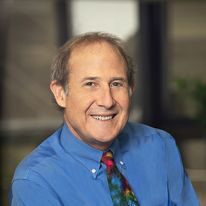
Brad Zebrack, PhD, joins us to discuss his expansive experience in cancer research including topics of integrative oncology, and his current role at the University of Michigan. He shares his personal story of being treated as a young adult with cancer and his how his career has been altered by his research interest in and adolescent and Young Adult (AYA) cancer-related topics. We discuss Brad's involvement with program development and evaluation and advent of peer-to-peer support and outdoor adventure non-profits. Including his involvement in programs down Under!
Listen to the Podcast on Spotify
Links from the Episode
Interview with Brad J. Zebrack, PhD, MSW, MPH
Episode 009 Transcript
Colin Goodwin, PsyD
Today we have Brad Zebre joining the podcast Brad Zebrick is a professor at the university of michigan school of social work and a member of the university of Michigan Rodel Cancer Center it's the division of the cancer control and population sciences. As a social worker educator and social scientist brad has been involved in the development and evaluation of peer support programs for adolescent and young adult cancer survivors his research on quality of life and cancer survivorship. For young people affected by cancer has been supported by the national cancer institute the patient centerered outcomes research institute and hope lab incorporated brad is also a long-term survivor of hoshkin's lymphoma diagnosed and ah the tender age of 8 I have 25 but ah. Wanted to welcome to you to the podcast. Brad can you speak a little bit to that interest in the cancer field and and maybe just ah treating the adolescent and young adult population in particular.
00:54.78
Brad Zebrack
Thanks Colin! Thanks Destin great to be here.
01:08.50
Brad Zebrack
Yeah, you know I'll tell you I got interested in this kind of work because I was ah I was a young person diagnosed with cancer at the age of 25 and you know had had my own personal experience and and challenges with it and. You know at that age you know being 25 years old I was sort of like getting my career up and running and you know I knew I liked working with kids and then I had this cancer experience. So then I started thinking about wow you know is is there a job out there that kind of would mix. Sort of a focus on healthcare with working with kids and that's how I learned about the the field of of pediatric oncology that there is a small you know relatively small proportion of people children teenagers young adults who are ah you know, diagnosed of cancer. It's not just something that happens to old people. So um, yeah I thought wow yeah there there's there's my calling and I've been been now thirty going on 40 years in this this area of work now.
02:15.85
Dustin Mesick, RDN
Oh it's really interesting. Ah can you tell us about your current positions.
02:19.74
Brad Zebrack
So I'm not professor at the University of Michigan school of social work and you know at this point in my life. You know my I've evolved from being a cancer survivor to a social worker who worked with. Young cancer patients and their families to then getting my Ph D and moving into education and and research and you know now as ah as a professor I just have an opportunity to work in a lot of work on a lot of different. Interesting projects in some cases. It's research in some cases. It's helping organizations develop programs to support young people with Cancer. So Those are just a couple of things that ah that I get to do at this point.
03:15.70
Colin Goodwin, PsyD
Yeah, can you tell me a little bit about your specific role at the university of Michigan.
03:20.32
Brad Zebrack
Um, so I teach in the school of social work. So or it's a graduate program so I work I work and I teach the courses that are related to students who want to work in the Healthcare field in some Way. So. It's really an opportunity to share. You know what I've done in the field and kind of role model for them. What you know what are possible job Opportunities. A lot of the students come In. You know, similarly where they've had life experiences that they want to now use. Some of them are interested in working with people who have alcohol drugs substance use difficulties um some of them want to work in areas of of suicide prevention some of them want to work in the areas of mental health. And you know even though the focus of my work has been in Cancer. All these all these areas really really overlap so you know have an opportunity to teach and as a teacher. Um I learn as much. Um, you know in preparing for classes and. And working with students. So a lot of what I've learned in my teaching I've been able to apply in my and apply in my research and and develop some interesting research projects that I have going on right Now. Um.
04:48.35
Brad Zebrack
Um, yeah, those are just you know the main things that I do.
04:54.30
Colin Goodwin, PsyD
But and I imagine you have so much to share like in in seeing how much ah experience you've had with research I I had the thought I'm like you know Brad must have insomnia he must have a sleep disorder like there's no way.
05:04.52
Brad Zebrack
Yeah, oh I do I do man life life life Life balance is is important you know I do I do come I do.
05:08.84
Colin Goodwin, PsyD
This guy actually sleeps with the amount of work that he gets done.
05:20.75
Brad Zebrack
You know, leave my office late afternoons and get home and the evenings kind of shut things down. Um weekends I Really try to you know, minimize work related things. Um, you know I have been at this for quite a long time now. So you know I have accumulated you know quite a body of work. But. You know it's been Over. It's been over a long long period of time.
05:41.59
Colin Goodwin, PsyD
Well I'm very interested to hear about the or your involvement in establishing some peer support groups for adolescents and young adult cancer survivors.
05:53.86
Brad Zebrack
Yeah, you know it it again. It. It goes back to you know my own personal experience and recognizing that you know in the year was 1985 1986 when I was going through treatment. Um, you know was pretty isolated. Um. You know cancer support groups were kind of actually a ah new thing. Um and living in Southern California at the time um in the mid 1980 S was when the cancer support community originally was founded and was founded as something called the wellness community by Dr Harold Benjamin um and you know I'd heard about it from some other you know, but mostly from from friends of my parents who had cancer because again, just not a whole lot of young people that you run into who've had cancer. But I thought it was kind of interesting this idea of a support group so I went a few times. To this house that they had down at Santa in Santa Monica um and it was you know it was very welcoming. It was very friendly. Um, but as I looked around the room. You know, twenty five thirty people in the room. You know all my grandparents age. So um. You know again I realize wow you know there's not a whole lot out there to support young people with cancer. So fast forward a couple of years after I had gotten my master's degree in social work. Um, and I had my first job as a social worker at children's hospital in Oakland California um
07:26.12
Brad Zebrack
I I realized wow here's an opportunity to develop a support program for the adolescents for the teenagers who I was meeting and and and you know seeing their isolation and experience. So I built up a a peer support program. Ah, we located a few other young people young adult survivors who had been treated at Children's Hospital but then it kind of moved on. Um and we we built up. Ah, we built up. Ah a peer support program for teenagers with cancer. This this was before ima immigrant angels before stupid cancer before any of the great work that you know a lot of these organizations now young survival coalition. You know all these lot of these organizations now have these built in peer support programs. But back in you know, late eighty s early ninety s. This was all this was all pretty pretty new.
08:23.50
Dustin Mesick, RDN
Wow, Yeah, that's really interesting to hear about before all of these organizations that there wasn't like a whole lot of support or resources at the time that you were going through a lot of the of. You know your your experience your journey with cancer.
08:42.93
Brad Zebrack
Yeah, yeah, exactly Dustin it was I you know there there was plenty of information out there but it was all geared towards older people because you know mostly it's older people who get who get cancer. But I think what's happened since like the mid 2000
08:51.90
Dustin Mesick, RDN
Yeah.
09:02.54
Brad Zebrack
You know and Colin at Dustin you guys are like 2 examples. It's like it's young people who've said hey there's there's there's opportunity to create more services and support for young people with cancer because there's just not enough out there. Um, and I would say that you know what I see now is a lot of the program and services that are being made available to young people with cancer are are you know have been created by young people with cancer. Um, and but you know that's just sort of to me this amazing model of you know. From ground up development of peer support programs. You know, young people reaching out to help other young people I think it's awesome.
09:45.87
Dustin Mesick, RDN
Yeah, yeah, that is really awesome I I realize I realized back when I you know when I went through my journey I really feel like there wasn't a whole lot of resources for adolescence but maybe there was more than I was aware of this is the mid 2000 Like even more so now there probably is even more than there was before.
10:08.26
Brad Zebrack
Yeah, definitely now, Definitely now mid Yeah mid two thousand s I think you know there was you know the the issues like cancer survivorship were on the radar. Um, you know I think there was a lot of you know there's been a lot of work.
10:17.66
Dustin Mesick, RDN
Ah.
10:22.90
Brad Zebrack
To help young people who are survivors of cancer when they were children. Um, and I think that that was a good starting point that you know a lot of the support programs that have been built since you know the 90 s and the early 2000 were sort of an evolution.
10:24.29
Dustin Mesick, RDN
A.
10:38.92
Brad Zebrack
Of support programs that were created for young people. You know like teenagers who had cancer leukemia when they when they were 5 years old. Um, and I think that you know a lot of those programs could help young people who were diagnosed in their teens and 20 s but also there's something very different. About having your life disrupted at age 18 age 21 Twenty five even 30 than you know, being five years old ah you know when you're still kind of you know, living under your parents' roof and you know they're pretty much taking care of everything. But.
11:01.10
Dustin Mesick, RDN
All know.
11:15.71
Brad Zebrack
You know when you're a teenager or a young adult and you know you're trying to you know, become independent and make your own life choices and then being diagnosed with cancer. That's a whole different experience and I think it requires a different set of of support resources and and skills and I think that that's. That's really what we've seen now over the last fifteen years
11:39.24
Colin Goodwin, PsyD
Brad Can you tell us about your your international experience and this role of establishing some peer support groups.
11:45.42
Brad Zebrack
Yeah, so you know as I was you know, developing this program at Children's Hospital Back in the early nineteen ninety s for other you know for teenagers with cancer I I didn't I couldn't find anything that was happening in the united states that was anything like what I wanted to be able to. Doing um, but then with a little bit of research and you know just there was the just the emergence of ah of a world wide web right? So um I heard about this organization in australia called canteen. And it turned out that here was an organization that had been in existence for already ten or fifteen years in australia that was doing the kind of stuff that I wanted to do to start? you know to provide support for young people affected by cancer. So you know, being able to turn to a. Model somewhere else in the world and say okay, let me see if I can recreate what they did there here in the united states um you know was certainly very empowering and it gave me the confidence. Um, to think that I could even you know be successful in doing this.
12:56.74
Dustin Mesick, RDN
That's actually really exciting and a great way to think outside the box. You know, reminds me of a musicians can't make it in America they go to international they look outside.
13:06.87
Brad Zebrack
Yeah, you keep that keep the dream alive. Whatever it takes.
13:12.48
Dustin Mesick, RDN
Yeah, um, so um, I'm really curious about um your current federally funded research with the national institute of health.
13:23.45
Brad Zebrack
And here.
13:26.50
Dustin Mesick, RDN
And any other research that you might be doing That's like non-federal.
13:30.18
Brad Zebrack
Sure, um, so the the work that I'm doing now has really evolved over the last twenty five years or so um, you know in the early phases of my career I was interested in looking particularly at at mental health outcomes and. Quality of life for young people affected by cancer. Um, and I would say the you know the first twenty years of of my research is looked at like how does cancer impact people's lives and in all the different ways that it impacts their lives and and disrupts their lives. Um. And I think to where I've involved where I'm at now is there's really been now you know in 20 in the twenty twenty s an emergence of an understanding that you know we're also a product of our environments. Um that you know it's not only cancer. That disrupts our lives. It's like there are other aspects of our life that we're going on before we're diagnosed with cancer that could be disruptive. Um, but they could also serve as as resources and supports to build on. To be able to cope with cancer. Um, and I realized that wow you know the research has sort of started from the point of okay, you've been diagnosed with cancer. How does that now affect your life where like but we've ignored all the stuff that happened to young people before they had cancer but they still bring that with them.
15:04.58
Brad Zebrack
Into their treatment into their lives. So we're now looking at a study to do a much deeper dive into understanding what what young people's lives were like before they had cancer and also what are the current conditions in which they're living what's their family context. Um. How how socially connected do they feel or how isolated might they be because we now know that things like social isolation are bad are bad for our health. Um, what exposures to to trauma or to discrimination. To poverty. Um, you know what role might that play in how people are recovering after they've had cancer. So we're we're doing a much broader look at the context of people's lives. As they move into life after being successfully treated for cancer and then the other piece of it that we're looking at is because again the last twenty years we've seen these great this great progress has been done in terms of genomics and genetic sciences. Um. And you know we're also looking to see if there's some kind of of a genetic profile or biomarker that we can identify as a way to predict you know which of these young cancer survivors might be at risk for health problems.
16:34.80
Brad Zebrack
Um, later on in life because if we can identify those sooner by a gene profile. You know, then we can get treatment to those folks earlier and and hopefully lead to them living a healthier life after cancer.
16:47.81
Dustin Mesick, RDN
Well, it's really interesting to hear about like thinking about before cancer because you know once once you get cancer. Everything's about the cancer and to think like oh well like what are some other factors and I Also really like the piece. Ah you share it about. Um, about social isolation because it's very common in our society. A lot of people you know myself included you start developing coping skills that are like more like media focusedcused movie focused where you're just spending a lot of time indoors and like losing your connections.
17:19.30
Brad Zebrack
Million.
17:25.42
Dustin Mesick, RDN
So I'm very interested to see how your research flourishes on this topic.
17:29.29
Brad Zebrack
Yeah I you know I think that's really key. You know we've just been through this you know 2 years plus of of covid and you know forced forced isolation and you know really has changed. You know people's routines and patterns in life and you know I don't think we're. Quite clear of of covid yet and the you know the after effects and you know we certainly are seeing you know increases in in mental health challenges for young people and I think Dustin you're right? It is connected to that you know that that isolation that people have experienced. You know. You know, dealing with these years of of covid and afterwards I'll give you one. Other example I was thinking about something that really sort of you know, shook me years back to realize that you know it's not always about the cancer of. For people as they're trying to move forward in their life I remember interviewing this this one young man as part of a research project that I was doing where I was going out to people young you know, young survivors homes and interviewing them and asking them to tell me about the impact of cancer on their life. And I remember this one young man he was um, he had been diagnosed and treated for testicular cancer. He had both of his testicles removed as as part of his as part of his treatment. So I you know I knew a little bit about him before going into the interview and I was just.
19:06.80
Brad Zebrack
You know, assuming that his cancer is probably 1 of the most impactful things that had happened to him in his life. He was I think at the time like 19 or or twenty years old and as we were talking he was telling me a story about when he was thirteen years old um you know, living with a single mom and an infant an infant baby sister and his mom was struggling with alcohol and drug problems so there would be days on end. Um, so he and and and at 13 is also when he was diagnosed and treated for Hodgkin Lymphoma um so I was kind of asking him about you know hodgkins and how I was dealing with that and then his story kept going back to you know he really? he had so little time to focus on himself because he had take care of his baby sister. He had to he had to feed her. He had to change her. He had to put her down to sleep. He had to care for this baby as a thirteen year old. Um and it made me really realize that wow you know life doesn't stop when you're diagnosed with cancer. It certainly diverts. But. You know you're still carrying on you know, whatever life you were living prior to that diagnosis and I really think now we we have to really do a much better job in terms of understanding if we want to understand the impact of cancer on people's lives. We have to understand.
20:35.48
Brad Zebrack
The impact of their lives on their cancer.
20:37.27
Colin Goodwin, PsyD
Yeah I think it's more like a systemic look at it and really zooming out and looking at those influences and and certainly the roles that they have in their lives whether it's social roles or. These other things that are going on in their lives are that it concurrent.
20:57.79
Brad Zebrack
Fisher.
21:03.96
Colin Goodwin, PsyD
I'm curious if he can tell us a little bit about your experience with ah complementary and alternative medicine and perhaps your participation in the integrated oncology scholarships at university of Michigan.
21:15.15
Brad Zebrack
Sure, yeah, yeah, well like like so many of the things that I'm doing now at at sort of like academic research teaching training levels are because I've had some kind of personal exposure or experience with it. Um. You know when I was going through my my treatment and so yeah, mid late 1980 s so this was before even the invent of Zofran as an anti-nausea medication so you know dealing with the the nausea from my chemotherapy dealing with. Some of the other you know side effects of of treatment I didn't feel like I was in a position to say no to many suggestions or ideas that you know people were so you know telling me about um you know in terms of helping me you know deal with feeling so sick. Um. A cousin who suggested I go see a chiropractor and my dad my father's a primary care physician so you know he he he had somewhat of a bias against you know, chiropractic medicine but you know I was I was open to anything that was going to. Um, assist me and seeing the chiropractor led me to seeing a hands-on healer and you know and I'm a I'm ah I was a college graduate at the time. Um, you know I and I understand enough about science to kind of wonder and question about.
22:48.55
Brad Zebrack
You know where's the Data. Where's the evidence that really says things like you know hands-on healing is going to. You know you know improve improve life for people but I went for it and you know I actually found that. Going to a hands-on Healer the morning before I would go for my chemotherapy helped with the anxiety. Um, when I would come back from my chemotherapy treatments I would lay in bed for several hours sometimes for a day or 2 until I felt just well enough to get out of bed and go down to The. Refrigerator and make myself something to eat. But then after I got involved in the in the hands-on healing. Um I realized that my recovery after Chemotherapy was much quicker and you know part of it was just I found a tool I found something for me. That helped me deal with the anxiety you know both before chemotherapy and afterwards so you know as ah as as a single patient. You know my you know I'm what we call in science an n of one I was ah I'm my own anecdotal evidence.
24:01.64
Colin Goodwin, PsyD
Yeah.
24:02.40
Brad Zebrack
But it worked for me and that's all the evidence that I that I needed. Um I had you know the same cousin. You know she said she also wanted me to go with her to see her guru again who might say no um. And I went with her and that was that was a little bit too much going to see a guru and you know I didn't I didn't go do that again, but but I realized that and then through my you know continuing education over the years afterwards I realized that you know people practice a lot of these. Traditional um, you know, culturally based um practices that maybe don't necessarily have ah a scientific basis for them. Um, but you know there is a growing basis, a growing scientific basis for. Things that you know thirty years ago we would have pooh-pooed mindfulness meditation the role that yoga may play hypnosis we have now you know a growing body of evidence that these are practices that can be and.
25:03.65
Colin Goodwin, PsyD
Um.
25:15.88
Brad Zebrack
And have been demonstrated useful for some people in dealing with the anxiety dealing with the the symptoms associated with cancer and its and its treatment when I had the opportunity here at the university of michigan to be part of a. An nci funded training program that Colin you had the opportunity to be a part of I was I was all on board because you know again as ah as an individual of one I know it helped me I knew that there was an evidence base which meant this these.
25:37.63
Colin Goodwin, PsyD
I did.
25:50.76
Brad Zebrack
Many of these practices have the potential to help other cancer patients and if training Professionals Healthcare Professionals was a way to expose more cancer patients to some of these practices I was in I felt it was a good idea.
26:05.61
Dustin Mesick, RDN
It sounds really interesting. Did you want to say old column.
26:07.35
Colin Goodwin, PsyD
I Yeah I I was going to make a a joke that maybe a chiropracctory ah treatment is is that gateway to hands on healing. It's what I'll often referred to is that that you know gateway service.
26:23.60
Brad Zebrack
Right? right? because the the medical doctor. You know? yeah you know the medical doctors are very, they're very cautious. You know as I think they should be in prescribing. Um. You know interventions that don't have a scientific you know, strong scientific evidence because that's what we go to doctors for right? We we go to doctors to get the best medical ah practice. Um, but I think what we're recognizing now in the twenty first century is that.
26:40.52
Dustin Mesick, RDN
Lonely.
26:52.57
Brad Zebrack
Health is not just about medical practice. Um, if you know if we're trying to achieve better health outcomes Health is not just physical, but it's psychological. It's social. It's spiritual. It's a whole body and.
27:05.80
Colin Goodwin, PsyD
It's a whole body.
27:06.97
Dustin Mesick, RDN
1
27:10.50
Brad Zebrack
You know we can't just rely on doctors to have that whole body of evidence I Think that's just too much to expect from them. They're expert in what they do. But now we know that there are other providers out there who are are expert In. You know what they do as well that can serve as complementary and supplements to what to what doctors are doing that said I think the one other thing I would throw out there that I think is really important is that you know there are also a lot of folks out there practicing snake oil. Um, and trying to sell sell people things that are not going to be helpful to Them. So I think it's really incumbent upon those of us who are you know trying to make a better path for people with cancer is to also enable them to give them some of the skills necessary. To make really you know to make judicial decisions to make informed decisions to to be able to know how to you know, discriminate and make good judgments so that they can select out the the offerings that are going to be. You know more likely to help them and to avoid those snake oil salesmen that are out there that are trying to just you know pass off some goods that are really not going to help them.
28:34.40
Colin Goodwin, PsyD
Yeah I was thinking of of almost was like filtering out the static so you can actually get a signal something That's actually going to be connecting and and it's something that works for for them. Yeah.
28:38.70
Brad Zebrack
Exactly Yeah, exactly.
28:44.24
Dustin Mesick, RDN
Yeah, and some of these alternative treatments like you know trying to snake oil could make things worse and that's like the opposite of what we want. We're looking to Relieve pain. Yeah I'm I hope that there is like some.
28:54.30
Brad Zebrack
For sure exactly.
29:02.57
Dustin Mesick, RDN
Research that comes up in the complementary and alternative medicine area at least in our lifetime like some more um you know, just you know it would be great to to go to a hands-on healer and and for it to be considered evidence-based um, which you know I've had some experiences as well and I. You know I think that you know having anxiety reduced is going to be of benefit to your health like you know your maybe your blood pressure is lower. Maybe you're more relaxed which affects your nervous system and affects the whole person and I think.
29:27.68
Brad Zebrack
Be here.
29:40.25
Dustin Mesick, RDN
Hands-on or like even maybe acupuncture it really does have that ability to just kind of like relax everything and in our culture We don't really, you don't hear you know it's so fast-paced that I feel like we've kind of forgot how to relax So I feel like these alternative treatments.
29:54.45
Brad Zebrack
Here.
29:59.60
Dustin Mesick, RDN
Really help us to like you know relearn that skill.
30:00.20
Brad Zebrack
Yeah, yeah, you know the the evidence base for example for mindfulness meditation you know is is pretty strong. Well-developed and you know I think the challenge today now is is is the communication moving.
30:10.23
Dustin Mesick, RDN
Ah.
30:18.36
Brad Zebrack
Moving the the knowledge about these evidence-based practices out there into the world where then cancer patients can locate them and start to take advantage of them.
30:33.23
Dustin Mesick, RDN
Yeah, mate. Well if you have any resources you know about?? um, you know because that's kind of what this podcast is about is to kind of provide so you know information educational information to other you know cancer survivors or family members who are listening to this. Um. That is Helpful. So I mean if there's anything that you can think of that you want to share on our podcast. Um.
30:56.82
Brad Zebrack
Well I think I think the building up of a network is really is really important. Um, you know the 3 of us can pass information back and forth amongst us. But then how do we then disseminate that out to you know Broader Networks broader communities building think building networks are are really important one for the spread of you know the the information the other is because of what we were talking about earlier the the need for social support and connection amongst young people earlier Colin when I was telling you about the adolescent young adult global congress that'll be happening. Later this summer. Um, this is the fifth global congress for a couple of years they were delayed due to covid. But for the fifth time people from around the world will be coming together. Um healthcare providers who work with adolescents and young adults. Um researchers. Um, and even young adults themselves who have developed programs and services either through brick and mortar you know communities or online communities. Um, this congress is for all these folks and you know there's there's workshops. There's plenaries. There's. Happy hours. There's you know tons of opportunities for people to come together and and share and connect. Um, so be great. You know if you guys can make it to that and and and spread the word um later on in June of this year
32:31.72
Dustin Mesick, RDN
Okay, yeah, that sounds really exciting. Um, you know I also wanted to ask so you did a program evaluation of Npo first assent. Um I'd love to hear about that.
32:43.68
Brad Zebrack
Yeah, so again, an example of you know here's an organization now I think that gosh they must be at least 1520 years now you know, founded by a young man. Um, you know who was affected by his his mother's cancer and wanted to turn around and do something to help other people so develop this program. You know that over the years now has been providing opportunities for young people affected by cancer. To go out into the outdoors and you know spend seven days kayaking surfing rock climbing challenging their bodies. Um, in in ways that you know cancer really compromised. Um, both. Physically as well as psychologically and you know over the years first dissents has really been so successful in providing you know great opportunities for young people all across the country. Um, and and what they wanted to do was to somehow. Could they somehow demonstrate in scientific terms the impact the positive impact that they were having that they were seeing have on on participants in their in their program. You know to to talk about the the magic and the special sauce of what happens.
34:13.58
Brad Zebrack
Around a campfire after you've been on a river for three days um is is amazing, but it's not scientific. Um, and I was able to help them with some ways to collect data. And answer some particular questions and concerns they had in terms of you know how? how was their program having an effect on their their participants and I think 1 thing that was kind of interesting about this was that they were noticing. Um.
34:49.46
Brad Zebrack
That ah you know for any given program that they were running 80% of participants would be women and just 20% of participants would be men. Um, so they were wondering how they you know might be able to increase participation.
35:08.89
Brad Zebrack
Amongst men in their programs. They were also noticing that when people would cancel you know and obviously people have you know all sorts of you know, valid reasons for canceling a trip at the at the last moment the the proportion of people who were. Canceling was so disproportionately men. Um and they were curious as to why that was happening and they were asking. You know as part of my research could we try to figure out. You know why it what is it about men. that's that's you know preventing them from signing up and participating and and then dropping out at at the last minute and you know we were able to you know, kind of do some in-depth interviews. Ah with um, you know both men who were participating in the programs as well as those who had. Dropped out so we could kind of get an idea of what was going on and it was really It was really notable that you know for men ah much of their experience with cancer was this you know threat to their. Physical viability. Um, and you know they had concerns about like going on some kind of a program or trip that would require them to be physical and they express this fear of not being able to.
36:37.75
Brad Zebrack
You know, live up to the physical challenges of some of these of some of these programs whereas women didn't have any of those concerns they had there. They had you know sort of no no concern or worry about a threat to masculinity. And the way that men were experiencing so they they never saw that kind of you know, emotional threat as a reason not to not to go on these on these groups. So one of the one of the recommendations. We made to first dissents was to to sort of get more men.
37:06.99
Dustin Mesick, RDN
Um, yeah, ah.
37:15.25
Brad Zebrack
To provide testimonials as to the benefits that they got from the program and but also to talk specifically and explicitly about you know, having some of these concerns and worries about the physicality of the programs.
37:15.95
Dustin Mesick, RDN
Are.
37:33.21
Brad Zebrack
And how they overcame some of those.
37:37.20
Dustin Mesick, RDN
Yeah, that makes actually a lot of sense I mean before cancer as a man myself you know you are able to do essentially anything and then ah you have this like thing happened to you? Yeah, you think we can. Yeah.
37:45.26
Brad Zebrack
We think we think we we believe we can right here.
37:48.50
Colin Goodwin, PsyD
Census this arrow. But.
37:52.13
Dustin Mesick, RDN
And then all of a sudden you're like oh now there's a limit and you know it's definitely you know, especially if you're like really out of breath like I mean just just from looking at the website and I had heard a little bit about it before the program and I just thought like I don't know if I could do half of those things. And they're like well you could just go and like hang out and not participate and I was like yeah that seems a little weird. You know I feel like as a man, you're just like So. What's that guy doing Oh. He's not Participating. He's just going to watch I was just you know.
38:12.37
Brad Zebrack
Me see. Sure.
38:26.35
Dustin Mesick, RDN
So I you know I think I could relate a little bit to like you know, opting out. Um I mean I mean unless they had like the they had 2 levels you you want to go to the level 1 adventure the level 2
38:28.32
Brad Zebrack
Sure.
38:35.63
Colin Goodwin, PsyD
Like that.
38:40.27
Brad Zebrack
And that's kind of that's kind of what does happen on a lot of these these programs that I think what the participants realize is that like they have these worries or fears just like you're expressing um and then but once they show up and participate. They realized that you know even if you conceive of it as sort of like level 1 level 2 or even level 3 really intense participation when you get out there into the woods or out there on the water. It's not like that at all everybody everybody is engaged. Equally and it doesn't matter if you've got you know the 2 people who want to be the gung-ho kayakers who are in the front of the group every single time and then you have the couple of stragglers who stay back or maybe even use you know. You know, just hop into the to the trailing boat and go along for the ride instead of you know, kayaking themselves that. Ah, once you're on the river and with that group of folks on the river it doesn't matter everybody is equalized in that same moment. Because everybody on that river has had cancer and everybody understands one another and the challenges that they've been through so the reality of what happens is so different from what people might imagine before they go out on those trips.
40:11.85
Brad Zebrack
So Just getting folks over that hump Um, ah you know and it and it and it takes it takes courage and it's It's definitely it definitely takes courage to to go out and and and and and challenge. But I think the payback you know you know. People come back from these trips whether it's first descents or true North treks or any other organizations that are providing these types of opportunities for cancer survivors afterwards The what you always hear from participants is that it changed my life. It changed my life.
40:48.67
Colin Goodwin, PsyD
You know coming at it from an angle and certainly my own personal lens of working in like pain clinics. It made me think like well is there ah like a aspect of like a fear of re-injury or just having any like threat to like a physical condition or you know, a. You know, Canop phobia or like fear of like that movement or being Jostled ah and what I'm hearing is that like maybe it's just like ah that ability to have that mastery or like that have that self efficacy of being able to have something conquered have that. Ah.
41:11.35
Brad Zebrack
Um.
41:23.44
Brad Zebrack
Yeah.
41:26.26
Colin Goodwin, PsyD
Ability to test yourself. Ah.
41:28.54
Brad Zebrack
Totally yeah, totally I I remember probably for about 2 years after the finish of my therapy. So my late twenty s sort of like I felt like I was in this gray zone of not knowing how much to push myself. Physically and how much to hold back. Um, you know for fear of like you know, making myself sick again and I just kind of had to you know, get get there. Get there on my own. Um. So You know everybody everybody gets gets to where they're going at their own pace. Um, so you know whether you're offering a support group or you're offering these you know these trips ah for cancer survivors. You know I think from the Survivor's perspective. It's Like. Just knowing that it's out there and when when I'm ready to engage in it. Um I think that that's the most important thing.
42:29.16
Dustin Mesick,RDN
I.
42:35.00
Colin Goodwin, PsyD
I really like how you referred to like early survivorship as the gray zone and in my mind my I went over. It's like the voice over her like the twilight zone you've entereded the grays zone. Well Brett I'm really ah curious if there's any other.
42:46.75
Brad Zebrack
Um, yeah, yeah.
42:48.45
Dustin Mesick, RDN
Well, ah.
42:53.98
Colin Goodwin, PsyD
Particular findings that you would like to share as far as like your research that you've published if there's any other you know whether it's with the this research that you did the program evaluation with first descent or like I had alluded to earlier. You've got an impressive amount of research.
43:12.20
Brad Zebrack
Yeah, like yeah I guess the last part I'd really like to share with you guys is um, you know for for teenagers and young adults just in general. Yeah, not even before you even throw cancer.
43:12.25
colinyourbluff
And that you've.
43:27.32
Brad Zebrack
Over it. You know is is the time of life where you know young people are starting to explore their independence and they're starting to sort of try to figure out who they are and who they want to be moving forward in their life. Um. They're experimenting. They're testing things out because they're recognizing that they are now becoming more responsible for their for the decisions that they're making in their own lives and to recognize things like oh you know when I mess up and i. Have to be responsible for the consequences of my mess up hey you know life still goes on and that can actually be sort of an empowering thing. You know if I if I messed up and I can still get through it. Okay, maybe the next time something like that happens I'll be a little bit more. Prepared for it. That's sort of how we how we grow. That's how we evolve from being you know people in our teens and 20 s to our thirty s forty s fifty s and you know throughout the remainder of life and one of the key areas of development. Um, for young people I think is around their sexual orientation and gender identity and you know in the twenty first century I think we've been really fortunate that young people are feeling more comfortable sharing amongst themselves.
44:56.79
Brad Zebrack
And and and being freer about sexual orientation and gender identity in in the meantime, there's still a lot of oppression. There's still a lot of risks for exposures to threat and violence. So I'm not I'm not saying we're in you know we're in. You know la la land the land of oz when it comes to explorations of of sexual orientation and gender identity. But I think that this is an area of really ripe focus for young people when diagnosed with cancer. Because exploration around sexual orientation engaging in sex. Maybe for the very first time intimacy um becoming more comfortable with who one is in terms of their gender identification I think young people. When they're diagnosed with cancer really need that support and and and as healthcare providers as researchers. We need to really create programs and services and studies. Um that allow young people to see themselves. Um, even as they're trying to figure out who they are um to to know that they're going to be treated in a clinical care program or they're going to be treated in a particular research study in a way that acknowledges who they are at this given time.
46:28.10
Brad Zebrack
In in their in their lives. Um, so just to give you a concrete example, you know of what we're trying to do in our in our research Study. You know, many times in Surveys you know you get to that question about you know, are you man or woman and those are just the 2 boxes. That are that are offered up. We have a much more sophisticated understanding of of biological sex and how it's distinguished from gender identification and you know if we're going to advance our science. We need to Create. Surveys and research studies that encompass and allow for a much broader understanding of how people identify themselves in terms of their gender in terms of their sexual orientation. So For example in our study now we have. Ah, multiple response categories as well as an open ended where people could just you know we ask them to please describe their sexual orientation to describe their their gender identification So that we're not imposing on them. You know minimal Categories. We want them to be able to. Express themselves as as broadly and completely as as they want to need.
47:47.50
Colin Goodwin, PsyD
Um, yeah I was going to say so they're not limited to you know a checkbox that's I able to have ah an affirmation of of their your sexual orientation or gender identity there.
47:50.67
Brad Zebrack
Here here.
47:57.48
Brad Zebrack
Exactly.
48:00.30
Dustin Mesick, RDN
Yeah, and I also think it's probably you know based on your sexual orientation or your gender identity. That's also going to change you know so you know different experiences through the cancer journey. You know.
48:12.10
Brad Zebrack
Yeah.
48:17.10
Colin Goodwin, PsyD
You know one complication I was just thinking of it's just like if there's any need for homeown ah replacement treatment. You know that that being a complication on on that particular ah experience or I think we were use the word journey quite today.
48:33.80
Brad Zebrack
Um, exactly and and exactly and you know and I think it's incumbent on the health professionals to you know if if there's no research that informs what the risks might be. Then we need to do that research.
48:46.79
Dustin Mesick, RDN
Yeah, yeah, that makes sense maybe instead of calling a journey we we could say ongoing trip.
48:55.61
Brad Zebrack
For sure I mean I it's it. You know the the notion of ah you know of ah a cancer survivor as being as initiating at a time of diagnosis and continuing for the rest of one's life. Um I think is really useful is really. Meaningful, um, you know here I'm I'm coming up you know I'm coming up on 40 years you know post-diagnosis and you know it's my it's my experience as a young adult with cancer that you know keeps me you know, gets me out of out of. Bed in the morning and gets me to work because the kind of work that I do the career that I have built is all grounded in that experience of forty years ago so for me my my cancer experience is very much alive and I and I use it in in the work that I do.
49:51.80
Dustin Mesick, RDN
Yeah, and your you know all your work sounds extremely rewarding you know and I feel like this this podcast got me out of bed this morning so that makes 2 of us. Yeah, ah I guess my last.
50:01.33
Brad Zebrack
Yeah, ah a Sunday morning which is hard a Sunday morning.
50:09.23
Dustin Mesick, RDN
Question for you. Um, you already mentioned an event that's in May which you can maybe ah talk more about that if you'd like but I also was curious if there's any presentations or symposiums that stand out to you right now.
50:24.81
Brad Zebrack
so yes so again the the the global congress for adolescent and young adult oncology will be in long beach in June um um I think a.
50:35.91
Dustin Mesick, RDN
Ah.
50:39.57
Brad Zebrack
You know the other thing is a lot of the lot of the organizations now that have been founded by young people for young people. Um, do a lot of innovative types of programs that appeal to young people I think stupid cancer. For example. Ah, the young survival coalition does a lot of excellent programmatic program work and support for young women diagnosed and treated for breast cancer. Um, the leukemia lymphoma society does some great work in you know, developing educational programs and. Content for adolescents and young adults. Um, you know I think there's ah, there's a growing network and a lot of it is is online. There's Facebook groups. Um, there's a a Twitter hashtag I believe it's a y a cs m which is a Hashtag adolescent young adult cancer support movement um is another way for folks to get connected to 1 another I think they do ah they do like a live stream once every couple of weeks. Um. And on Twitter so um, there's just like a lot of great emerging innovative support out there. That's both in-person as well as online and through through social media. Um, that you know I just don't think we can have too much support out there because.
52:14.94
Brad Zebrack
You know the young people. It's it takes it's challenging them for them to find what might be out there for them That's going to be helpful.
52:22.59
Dustin Mesick, RDN
Well thank you for sharing that.
52:28.75
Colin Goodwin, PsyD
Um, Brad we really wanted to thank you for taking time to have the conversation with us here about quite a few different things. You've had the opportunity to be a part of and really wanted to just thank you for. Sharing your experience and and your expertise in in these fields.
52:50.80
Brad Zebrack
Yeah, you're welcome and and thank you to you guys for what you're doing because anything to kind of get the word out there. Ah you know to help young people affected by cancer help their families I think that's awesome. So kudos to you guys.
53:08.57
Colin Goodwin, PsyD
All right Dustin was there any other questions you wanted to ask before we ah cut off the recording for today.
53:14.20
Dustin Mesick, RDN
Um, are we still recording right now up. Ah no I think that's a good wrap at the episode.
53:23.89
Colin Goodwin, PsyD
All right.